

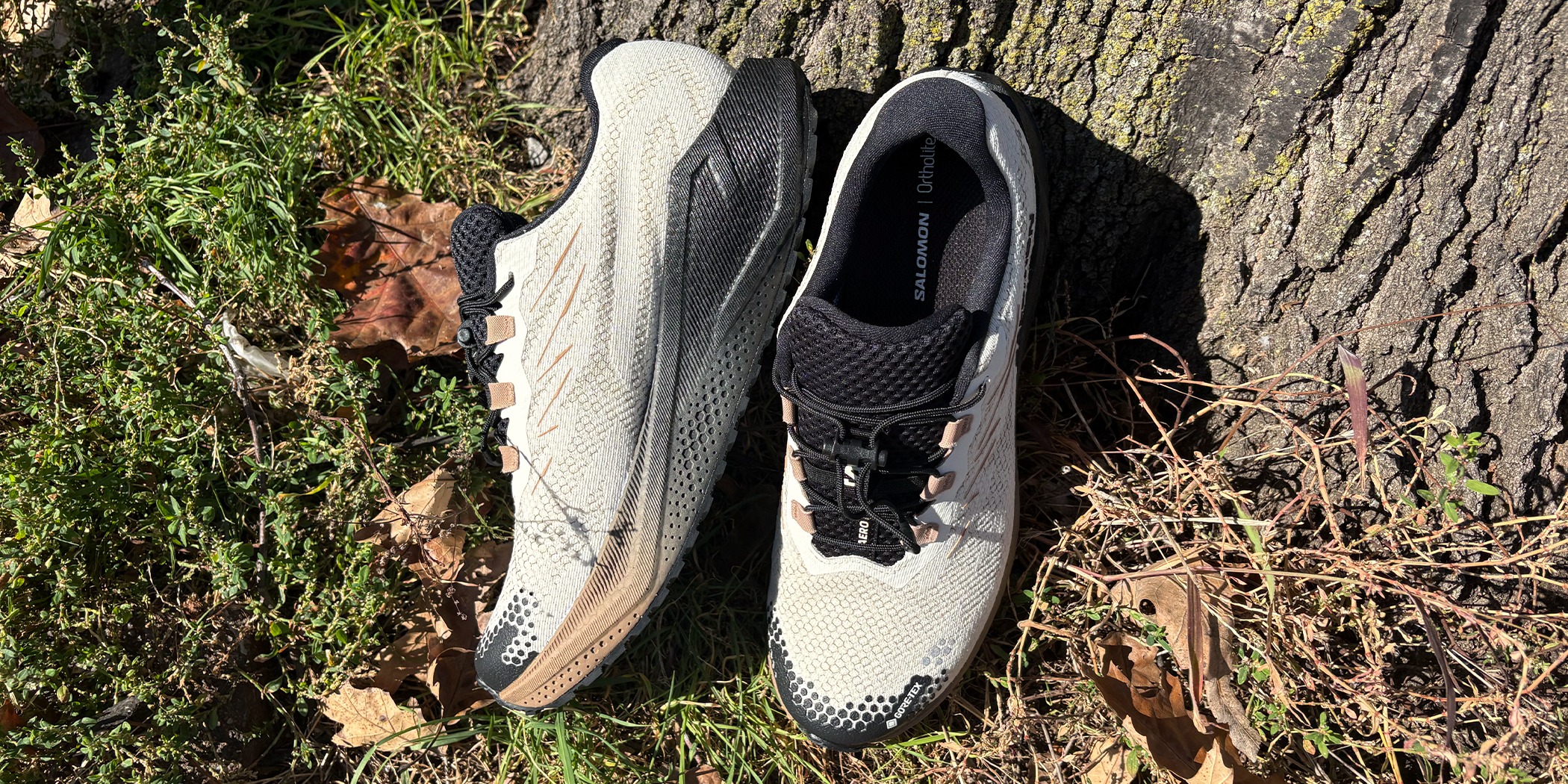
Core Disclosure & Hardware Announcement
The Salomon Aero Blaze 4 Grvl GTXis a waterproof hybrid running shoe engineered for mixed-surface performance, all-weather endurance, and high-traction daily duty. It carries an official retail price of $160 USD direct from Salomon and on Amazon, positioning it squarely in the competitive mid-tier bracket for technical footwear. The product targets all-weather outdoor runners tackling wet gravel paths, damp woodland dirt roads, and transitional shoulder-season pavements alongside healthcare professionals requiring fluid-resistant, grippy footwear for rigorous 12-hour shifts on polished hospital linoleum.
🛒 Where to Buy: Salomon Aero Blaze
Editorial Note & Product Verification: The Cool Great Buys editorial desk independently verifies manufacturer technical specifications, cross-checks active retail availability across authorized sellers, and evaluates verified consumer reliability data before publishing product evaluations. All featured prices and promotions reflect active market rates at the time of publication.
- Salomon Aero Blaze: View on Amazon
Click the link above to check current pricing, availability, and customer reviews on Amazon.
Salomon designed this specific model to occupy the nuanced space between standard road trainers and heavy, rigid mountain mountaineering footwear. Off-road runners and urban commuters regularly encounter loose stone, wet clay, crushed concrete, and slick transit platforms. At the same time, hospital nurses, laboratory technicians, and restaurant staff handle smooth indoor floors covered in accidental fluid spills. The non-waterproof base model sells for $140 USD, saving $20 USD for dry-climate users who prioritize breathability above all else. However, this Gore-Tex variant adds a continuous waterproof membrane targeted directly at wet, slushy conditions where maintaining dry feet dictates the success of the outing.
According to recent industry analysis in a Runner’s World gear dispatch, the gravel shoe category is expanding fast beyond traditional off-road training into general fitness and daily workwear. The Aero Blaze 4 Grvl GTX shares its underlying midsole geometry and outsole rubber mold with the standard gravel version, ensuring identical mechanical underfoot stability. The physical distinction lies exclusively in the upper layer, which trades open-mesh ventilation for comprehensive liquid protection. This manufacturing choice shifts the shoe’s personality from a breezy summer cruiser into a four-season utility tool.
In the broader running shoe market, hybrid shoes often fail by trying to do too much. They are frequently too harsh for pure pavement miles and too slick for deep trail mud, leaving users stranded between distinct athletic categories. Salomon attempts to resolve this balance by pairing short outsole lugs with a moderate stack height that minimizes ground torque. The core question for potential buyers is simple: does the hardware reality justify the $160 USD price tag when weighed against dedicated road shoes and heavy-duty hiking boots?
Analyzing the broader economic and performance picture of this footwear requires looking at how modern runners split their time. Urban runners frequently find themselves stepping off asphalt onto muddy park trails or slush-covered sidewalks during winter months. Traditional road running shoes with smooth blown-rubber outsoles quickly lose traction on wet organic matter, creating slipping hazards. Conversely, aggressive trail runners with 5mm deep lugs vibrate violently against concrete surfaces, wearing down their soft rubber compounds prematurely. The Salomon Aero Blaze 4 Grvl GTX attempts to bridge this exact engineering chasm by utilizing a balanced hardware suite that performs adequately on both surfaces without excelling excessively in either extreme.
Manufacturer Claims vs. Engineering Reality
Salomon’s official product documentation claims the shoe offers complete weatherproofing without compromising flexibility, speed, or foot comfort. On paper, combining a road-leaning midsole with short trail lugs creates a versatile setup for door-to-trail running. In practice, basic physical laws create inevitable trade-offs. Lamination of a full Gore-Tex membrane creates an internal heat trap. Airflow drops significantly compared to open-mesh uppers. In warm weather or during high-intensity threshold efforts, internal foot sweat builds up rapidly, making climate management a critical factor for the wearer.
Examining the manufacturer spec sheet reveals another point where marketing claims meet physical reality. Salomon advertises its optiFoam² midsole compound as a high-rebound cushioning foam designed to maximize energy return. Evaluating component architecture reveals a different story underfoot. The foam delivers a medium-firm dampening profile rather than springy energy return. It absorbs harsh surface impacts over packed stone and hard concrete effectively, protecting joints from cumulative shock. However, it lacks the lively, propulsive pop found in modern nitrogen-infused TPU or supercritical PEBA foams used in pure race-day shoes.
Salomon highlights the short 2.5mm chevron lug geometry as an all-surface solution for diverse environments. In real-world conditions, these low-profile lugs deliver outstanding grip on wet gravel, wet asphalt, and smooth indoor tile. The short rubber teeth offer broad contact surface area, which distributes body weight evenly and prevents pressure hot spots. However, the hardware limits are entirely clear on challenging terrain. On steep, unpaved mud inclines or technical rock faces, 2.5mm lugs fail to bite. The short lugs cannot dig into loose topsoil or wrap around sharp trail obstacles, meaning off-road limits are reached quickly when weather conditions turn severe.
The QuickLace bungee system also presents a specific real-world quirk during extended testing cycles. Salomon markets the speed-lacing mechanism for instant, micro-adjustable lockdown that never unties during movement. Hardware testing data shows fine wet gravel dust and sidewalk silt can collect inside the plastic slide slider over time. As the mud dries, the trapped particulate matter acts like drying concrete inside the lock mechanism, causing temporary sticking. The short answer to this mechanical jam is simple: wet the bungee down with clean water to clear the grit, and the slider returns to smooth operation. Regular rinsing prevents the locking mechanism from seizing up permanently.
Deconstructing the upper lamination reveals further engineering compromises. While the exterior textile repels liquid water efficiently, the stiff laminated layers require a break-in period around the ankle collar and instep. Runners accustomed to plush, pillowy step-in comfort will notice a stiffer, more structured initial feel. This structural rigidity is necessary to support the waterproof membrane and maintain lateral foot containment, but it demands patience from the user as the synthetic materials soften up over the first thirty miles of use.
Under the Hood: Technical Architecture and Build Quality
The structural baseline of the Aero Blaze 4 Grvl GTX utilizes a traditional 8mm drop profile, transitioning from a substantial rearfoot landing platform to a responsive forefoot takeoff zone. This geometric offset reduces mechanical strain on calves and Achilles tendons during long runs or extended standing shifts, making it forgiving for users prone to lower-leg tightness. The optiFoam² midsole provides a moderate stack height that maintains low ground torque. It dampens surface harshness without creating an unstable, high-center-of-gravity feel when navigating uneven surfaces. The sole unit remains laterally rigid across uneven stone paths, preventing ankle roll.
The upper shell consists of tightly woven, abrasion-resistant synthetic textile laminated directly to the internal Gore-Tex membrane. This multi-layer build blocks surface splash, slush, and fine concrete dust completely. Water droplets roll off the exterior surface without soaking into the inner lining, keeping feet dry during puddle splashes. For hospital workers and service professionals, this wipeable exterior allows quick cleaning after liquid spills or chemical exposure on the floor. Reflective elements integrated into the quarter panels improve worker and runner visibility during dark early-morning hours or late-night commutes.
Fit architecture aligns with a standard D-width platform, offering a snug, performance-oriented wrap. The midfoot wrap pulls tight across the instep, keeping the foot locked squarely over the footbed during lateral movements. This lockdown prevents forward foot slippage on steep downhills and tight cornering. However, runners or workers with wide midfeet or high arches will find the internal bootie tight and restrictive. The internal volume leaves very little extra space for thick winter socks or custom orthotic insoles, meaning wide-footed buyers should consider sizing up or testing alternative models.
Outsole durability relies on Salomon’s proprietary Contagrip rubber compound molded into short, multi-directional chevron patterns. Because the 2.5mm lugs are short, they resist structural tear-off when scraping against sharp pavement edges or concrete expansion joints. Unlike soft, aggressive 5mm mountain lugs that wear down quickly on abrasive asphalt, this tread pattern handles mixed surface transitions well. It bridges the gap between pavement transit and dirt fire roads without creating excessive underfoot vibration or a clunky ride quality.
Weight specifications register slightly higher than the non-GTX version due to the added membrane layer and upper structural reinforcements. The added mass is noticeable when attempting high-tempo speedwork or track intervals, but it remains entirely manageable for daily distance miles, easy recovery runs, or 12-hour hospital shifts. Component assembly is tight, with reinforced toe caps protecting against accidental stubbing on hidden rocks, tree roots, or heavy equipment carts in a workplace setting.
Ventilation and thermal regulation deserve close inspection given the waterproof nature of the shoe. Because the Gore-Tex membrane acts as a physical barrier against external moisture, it simultaneously restricts the escape of internal heat and humidity. In freezing winter temperatures, this acts as a benefit by trapping body heat and keeping toes warm. In summer temperatures exceeding 75 degrees Fahrenheit, however, the lack of breathable mesh causes heat buildup. Users operating in warm climates will experience damp socks resulting from accumulated foot perspiration rather than external water ingress, confirming that this hardware is optimized for cool, wet environments.
Verified Market Alternatives
Evaluating the Aero Blaze 4 Grvl GTX requires direct comparison against established market alternatives to understand its precise value proposition. The Nike Pegasus Trail 4 GORE-TEXsells for $160 USD on Amazon and represents a major direct competitor in the hybrid waterproof category. The Pegasus Trail 4 GTX utilizes Nike React foam, which delivers a softer, more forgiving underfoot feel on asphalt. It handles long road connector miles with better impact dampening and a bouncy ride. However, its outsole rubber compound slips more easily on wet polished tile and smooth indoor surfaces compared to Salomon’s sticky Contagrip rubber, making the Salomon a safer choice for indoor-outdoor workers.
Another prominent alternative is the Hoka Challenger 7 GTX, priced at $170 USD on Amazon. The Hoka model relies on a much thicker compression-molded EVA midsole stack featuring a low 4mm drop. It provides maximum underfoot shock absorption for users who prefer thick foam protection and maximal cushioning over long hours. The primary trade-offs against the Salomon model are lateral stability and upper toughness. Hoka’s tall stack height feels less stable on off-camber gravel paths, and its upper mesh scuffs and tears more easily under heavy abrasive contact with rocks or structural obstacles.
For budget-conscious buyers seeking entry-level waterproof hybrid performance, the Brooks Divide 4 GTXretails for $140 USD on Amazon, undercutting the Salomon by $20 USD. The Divide 4 GTX offers a reliable waterproof liner and standard trail traction at a lower cost point. However, it lacks the precise QuickLace system and superior slick-floor traction of the Salomon build. The upper material on the Brooks is also stiffer out of the box, requiring a significantly longer break-in period before achieving comfortable flexibility.
Runners seeking pure mud traction should look toward dedicated choices found in published lists for the best trail running shoes or specialized winter running footwear. Deep-lug trail models bite into mountain mud and loose organic soil far better than the Aero Blaze 4 Grvl GTX can manage. But those dedicated mountain shoes vibrate uncomfortably on asphalt pavement and feel clunky, heavy, and awkward on indoor shifts. The Salomon shoe remains strictly specialized for hybrid road-to-gravel transit and indoor-outdoor shift work, carving out a specific niche where pure trail shoes fail.
When weighing these alternatives against the Salomon offering, user priorities dictate the final selection. If plush cushioning on asphalt is the primary goal, the Nike or Hoka models hold an advantage. If initial cost savings matter most, the Brooks model provides a viable budget route. However, for users demanding superior traction on slick indoor tiles combined with dependable weatherproofing and a secure midfoot lockdown, the Salomon Aero Blaze 4 Grvl GTX justifies its position in the market.
Final Editorial Verdict: Long-Term Reliability Outlook
The Salomon Aero Blaze 4 Grvl GTX is a tough, specialized tool built for specific physical conditions and demanding environments. It is not a racing super-shoe designed for setting personal records on dry asphalt. It is not an aggressive mountain shoe for steep alpine scrambles and deep mud. In the real world, it serves as a durable, highly stable workhorse that handles unpredictable transitions with confidence. It shines across wet gravel roads, slushy winter commutes, and long medical shifts on wet hospital floors. The $160 USD retail price is justified by the full Gore-Tex lamination, wipeable upper build, and long-wearing Contagrip outsole.
Buy it if you run regularly on wet gravel paths, train through rainy shoulder seasons, or work long shifts on slick surfaces where liquid resistance and dependable grip matter most. Skip it if you run primarily in warm, dry weather, demand ultra-soft energetic foam for long pavement runs, or tackle loose, technical mountain trail terrain. For buyers who do not need waterproofing, save $20 USD and buy the standard non-GTX version instead to maximize breathability during dry summer months.