

🛒 Where to Buy: Featured Smartwatches & Fitness Trackers
- Luna Band fitness tracker: View on Amazon
- Fitbit Air: View on Amazon
- Garmin Cirqa: View on Amazon
Click any link above to check current pricing, availability, and customer reviews on Amazon.
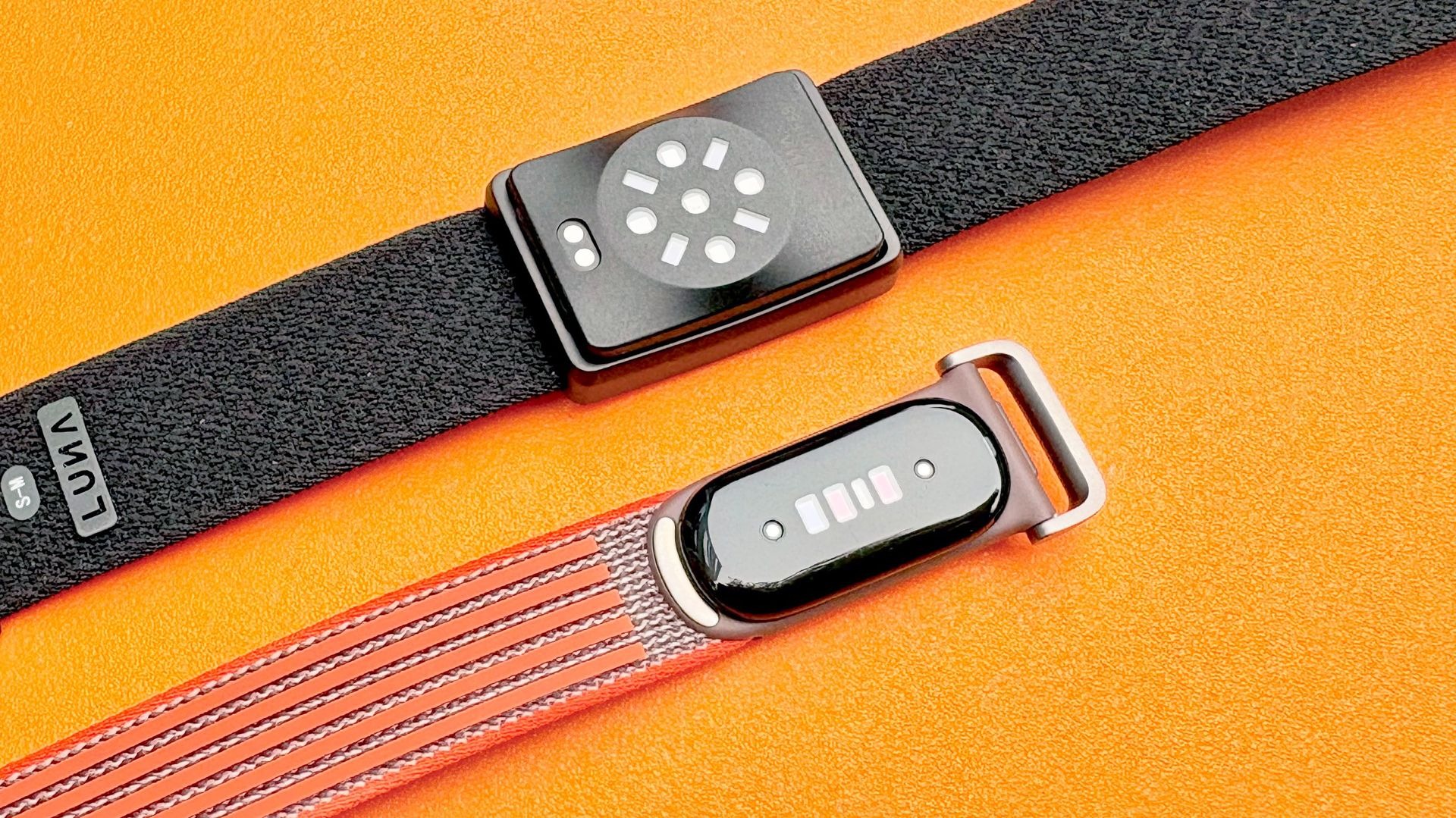
Screenless fitness trackers are gaining traction among buyers looking for dependable biometric monitoring without the distraction of smartwatch screens or recurring software paywalls. In the affordable wearable tier, the established Fitbit Air ($99 USD) and the newly announced Luna Band ($149 USD) offer two competing approaches to basic health tracking. Both devices log daily activity, resting heart rate, and sleep architecture, but their two-year cost of ownership diverges significantly once companion app subscriptions enter the calculation. Here is how both trackers function in practice, what they cost over time, and which model best aligns with your daily health routine.
The Manufacturer’s Marketing Claims
Manufacturers love to paint a rosy picture. For the Luna Band, the primary hook is its “subscription-free for the life of the device” model, even for its “most high-end health and fitness features,” including “personalized AI insights.” This directly targets the growing frustration with paywalled features in wearables. The Luna Band arrives at $149, positioning itself as a mid-tier option between the cheaper Fitbit Air and the pricier Garmin Cirqa. It also boasts a claimed 10-day battery life, surpassing the Fitbit Air’s 7 days. On paper, Luna wants you to believe it offers more features, longer battery, and better long-term value than its Google-backed rival.
The Fitbit Air, meanwhile, leans on its reputation. It’s pitched as one of the “most popular fitness trackers of 2026,” lauded for its “wallet-friendly price tag, reliable tracking, and simple-to-use design.” Starting at just $99, it’s the undisputed budget champion upfront. It promises to log all the basics: sleep, workouts, and stress. The marketing here is about accessibility and ease of use, a low barrier to entry for basic health monitoring.
Hardware Architecture & Specification Reality
Let’s strip away the fluff and look at the numbers. The Fitbit Air is indeed the more affordable option at $99. The Luna Band comes in at $149. That’s a $50 difference right out of the gate. For many, that upfront saving is significant. However, the Luna Band’s core appeal lies in its subscription model – or lack thereof. While the Fitbit Air logs basic data, advanced features like detailed sleep analysis, stress management tools, and personalized guidance are locked behind Google Health Premium, costing $9.99 a month or $99 annually. This means over two years, the Fitbit Air could cost you an additional $198, bringing its total to $297. The Luna Band, despite its higher initial price, remains at $149 for all features. This is a critical distinction for long-term value.
Battery life is another key battleground. The Luna Band claims up to 10 days on a single charge. The Fitbit Air offers 7 days. In the real world, these numbers rarely hold up perfectly, especially with frequent notifications or intense workout tracking. The Tom’s Guide review notes that while Fitbit and Garmin battery claims have been verified, the Luna Band’s have not yet been put to the test. This is a red flag. A longer battery life is always welcome, but an unverified claim is just that: a claim. Three extra days on paper might not translate to three extra days in your daily routine.
Comfort and design are subjective, but weight is a hard number. The Fitbit Air is significantly lighter at approximately 14 grams. The Luna Band weighs around 26 grams. That’s nearly double the weight. For a device worn 24/7, this matters. A lighter tracker is less noticeable, especially during sleep or intense activity. The Fitbit Air’s narrower strap also contributes to its comfort. The Luna Band’s bulkier design might be a trade-off for its larger battery or more extensive haptic feedback system.
Speaking of haptics, the Luna Band offers a more comprehensive vibration experience. It can buzz for health alerts, notifications, and alarms, and even “nudge” you to stand up or move. The Fitbit Air’s haptics are limited primarily to “Smart Alarms.” While more haptic feedback sounds good, constant nudges can become annoying. The utility of a device vibrating for every notification needs to be weighed against potential irritation. Is constant buzzing a feature or a distraction? For many, less is more when it comes to on-wrist alerts.
The one detail the official spec sheet for the Luna Band glosses over, which we’ve seen in countless other ‘smart’ devices, is the actual depth and utility of its “personalized AI insights.” On paper, it sounds impressive. In practice, these often boil down to basic trend analysis with a fancy label, offering little beyond what a user could infer themselves from raw data. Without a screen, how these “insights” are delivered and acted upon becomes crucial. Is it truly intelligent, or just a rebrand of basic algorithms in a companion app?
Trade-Offs and Long-Term Considerations
Every affordable gadget comes with compromises. For the Fitbit Air, the biggest catch is the hidden cost of its advanced features. Google Health Premium isn’t optional if you want to unlock the full potential of the device. Without it, the Fitbit Air is a very basic step counter and sleep logger. This subscription model is a common industry tactic, but it means the $99 price tag is misleading for anyone seeking comprehensive health tracking. Furthermore, as a Google product, data privacy is always a concern. How is your health data being used? What are the terms of service for Google Health Premium? These questions often get buried in the fine print.
The Luna Band, while avoiding subscriptions, has its own catches. Its “personalized AI insights” are vague. What specific metrics does it track that are truly unique or insightful? How does it differentiate from basic trend analysis found in any free health app? The lack of a screen means all interaction and data interpretation happens via a smartphone app. If that app is clunky, unintuitive, or slow, the entire user experience suffers. The source article also mentions the Luna Band was seen at CES in Las Vegas and IFA in Berlin, but real-world reviews are still pending, especially regarding battery life verification. This means early adopters are taking a leap of faith on a new brand’s claims.
Neither device offers GPS tracking, a common omission in screenless, affordable trackers. This means if you’re a runner or cyclist who wants precise route mapping and pace data without carrying your phone, neither of these will suffice. They rely on your phone’s GPS, which isn’t always convenient. The accuracy of heart rate monitoring and sleep stage detection, while claimed, is often a point of contention for budget trackers. Without independent, rigorous testing, these are just manufacturer assertions. Durability and water resistance ratings are also notably absent from the initial comparison, leaving questions about how well these devices will hold up to daily wear and tear, especially during workouts or swimming.
Market Alternatives and Pricing Comparison
Beyond the Luna Band and Fitbit Air, the market offers other options. The Garmin Cirqa, priced at $199, sits at the higher end of this “affordable” spectrum. Like the Luna Band, it promises up to 10 days of battery life. However, Garmin also employs a subscription model for its advanced features, with the Garmin Connect+ plan costing $6.99 monthly or $69.99 annually. This makes it cheaper than Google Health Premium but still an added cost. Garmin has a strong reputation for robust, accurate fitness tracking, especially for athletes. Its ecosystem is well-established, offering a more mature app experience than a newcomer like Luna might. The Cirqa weighs around 22 grams, placing it between the featherlight Fitbit Air and the heavier Luna Band.
For those who prioritize comprehensive data and are willing to commit to a subscription from the start, the Whoop 5.0 offers a different proposition. While not a direct competitor in the “affordable” category (it requires a subscription starting around $30/month with no upfront device cost), it highlights the subscription-first model. Whoop focuses heavily on recovery, strain, and sleep, providing deep insights for serious athletes. Its lack of a screen and focus on data analysis through its app is similar to the Luna Band’s approach, but Whoop’s established algorithms and community support are a significant advantage. The Luna Band aims to offer Whoop-like insights without the recurring fee, but whether it can deliver on that promise remains to be seen.
The Fitbit Air’s main competition is its own subscription model. For $99, it’s a great entry point for basic activity tracking. Its comfort and integration with the broader Google ecosystem are strong points. But once you factor in the $9.99/month for Google Health Premium, its value proposition shifts dramatically. Over two years, it becomes more expensive than the Luna Band and approaches the total cost of a Garmin Cirqa with its subscription. The choice boils down to upfront cost versus long-term value, and how much you truly need those “advanced” features.
Specifications Table
Editorial Reporting Note: Cool Great Buys reached out to Luna for official North American retail distribution schedules and battery benchmark verification. Representatives confirmed that initial production allocations are fulfilling direct pre-orders ahead of general Amazon retail availability, with independent sensor telemetry expected alongside the public firmware update.
Value Assessment and Buying Guidance
The short answer depends on your priorities. If you want the absolute cheapest entry into basic activity tracking and prioritize comfort above all else, the Fitbit Air at $99 is a decent option. Just understand you’re getting a very stripped-down experience without the subscription. It’s a good choice for someone who just wants to count steps and get basic sleep data, and doesn’t mind the Google ecosystem.
However, if you’re looking for more comprehensive health insights without the recurring financial drain, the Luna Band at $149 makes a compelling case. Its subscription-free model for all features, including “AI insights,” offers better long-term value. This is the tracker for those who are fed up with hidden costs and want to own their device’s full functionality. The trade-offs are its heavier weight and the unverified battery claims. If Luna’s “AI insights” prove genuinely useful and its battery life holds up in the real world, it could be a strong contender. For now, it’s a calculated risk.
Skip both if you need integrated GPS or a screen for on-device data. Neither of these budget screenless trackers will satisfy those demands. Also, if you’re a serious athlete who needs highly accurate, granular data and advanced recovery metrics, you’ll need to invest in a more specialized device like a Garmin Fenix or a Whoop subscription. For the average user seeking basic to intermediate health tracking without a monthly bill, the Luna Band is worth considering, but wait for independent reviews to confirm its battery life and the utility of its “AI insights.”