

Real-World Context and Target Buyer Profile
The PETLIBRO Automatic Interactive Cat Toy P11is a motorized dual-axis robotic play module featuring randomized feather motion vectors, infrared obstacle-avoidance sensors, and custom velocity cycles engineered to simulate unpredictable prey movements. Priced at $34.99 USD on Amazon, this hardware targets indoor cat owners seeking automated enrichment to mitigate separation anxiety, vocalization spikes, and crate-confinement stress in high-energy felines. Rather than relying on static laser pointers or manual wand play, the device operates autonomously on rechargeable battery power to deliver structured play intervals throughout the day. Modern indoor cats frequently struggle with boredom-induced behavioral issues, ranging from nocturnal howling and destructive furniture scratching to sedentary weight gain. Autonomous hardware solutions like the P11 aim to bridge the gap between human availability and a cat’s instinctive need for predatory stalking, chasing, and pouncing activities.
🛒 Where to Buy: PETLIBRO Automatic Interactive Cat
Editorial Note & Product Verification: The Cool Great Buys editorial desk independently verifies manufacturer technical specifications, cross-checks active retail availability across authorized sellers, and evaluates verified consumer reliability data before publishing product evaluations. All featured prices and promotions reflect active market rates at the time of publication.
- PETLIBRO Automatic Interactive Cat: View on Amazon
Click the link above to check current pricing, availability, and customer reviews on Amazon.
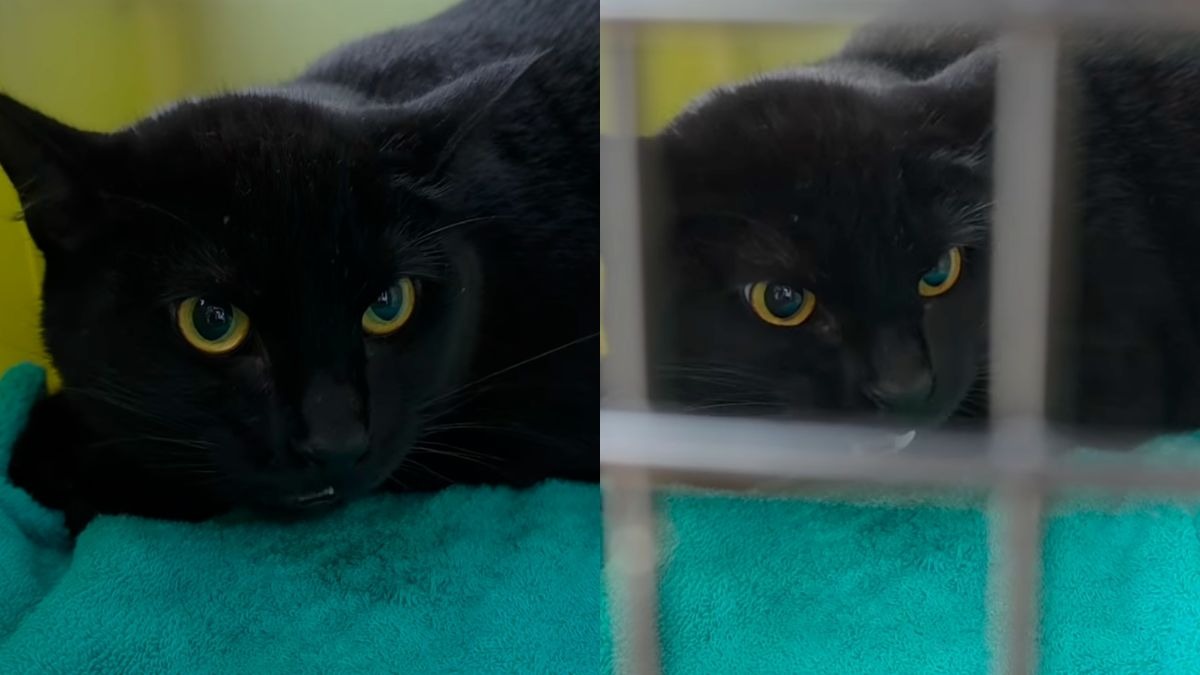
This hardware release arrives at a moment when pet behaviorists and engineers are paying closer attention to acoustic indicators of feline emotional states. Recent reporting by journalist Ritika Singh for CatTime highlighted how a black cat named Yoru transitioned from somber, low-frequency meows during periods of crate confinement and attention deprivation to energetic, high-frequency “happy singing” while pursuing physical feather lures down stairs, as documented in popular social media footage. The underlying science confirms that indoor cats require frequent tactile and visual stimulation to discharge predatory drive. Without adequate physical outlets, felines exhibit vocalized frustration and sedentary lethargy, making automated floor-roaming robotics an essential category for modern pet care. Veterinary specialists emphasize that short, distributed bursts of intense exercise throughout the day closely mirror a feline’s natural hunting cycle in the wild, helping maintain cardiovascular health and muscle tone while preventing mental stagnation.
This matters because it signals the shift toward active ambient robotics in the domestic pet space. The broader arc of hardware design in pet products has moved away from cheap disposable plastics toward durable micro-controller driven devices capable of navigating complex residential flooring environments. For pet owners managing demanding work schedules, remote desk jobs, or confined apartment spaces, dedicating continuous manual play hours is not always feasible. The PETLIBRO P11 fills this gap by executing programmatically varied movement patterns that hold feline interest far longer than predictable linear toys. By offering physical resistance, erratic turn angles, and tactile prey lures, the unit acts as a persistent digital playmate that keeps animals mentally sharp and physically agile without requiring constant human intervention.
Hardware Engineering, Materials, and Core Specs
The chassis of the PETLIBRO P11 is constructed from high-impact ABS polycarbonate with a smooth matte finish, designed to withstand intense claws and physical impacts from aggressive chewers and swatting paws. Measuring 3.5 inches in wheel diameter and weighing 8.8 ounces, the low-profile enclosure keeps the center of gravity low to prevent tipping during aggressive play sessions. Power is supplied by an internal 900mAh lithium-polymer battery operating at 3.7V, charged via a standard 5V/1A USB-C port located behind a protective silicone port cover that prevents dust and cat hair from entering the charging pins. Mechanical drive components consist of twin independent micro-gearbox motors linked to high-friction rubber tread wheels, enabling 360-degree zero-radius turns, rapid acceleration bursts, and sudden directional shifts across hard surfaces.
In PETLIBRO’s official launch documentation, the engineering team claims an obstacle detection response time under 150 milliseconds, powered by dual forward-facing infrared distance sensors embedded into the front bumper assembly. The internal micro-controller runs a custom movement algorithm that alters wheel rotation speeds up to 3,000 RPM, generating sudden bursts, intermittent pauses, and reverse maneuvers that mimic small rodent or bird prey behavior. Attached to the top chassis stem is a quick-release mechanical coupling that secures natural feather attachments or silicon tails, allowing owners to swap lures as wear occurs or experiment with different tactile textures to suit their cat’s specific preferences.
Acoustic dampening was clearly a priority during component selection. Gear train noise is constrained to under 45dB at a distance of 1 meter, preventing the mechanical gear hum from startling skittish animals during initial exposure. Thermal dissipation vents integrated into the undercarriage ensure that extended motor operation remains below 38 degrees Celsius, preserving battery longevity and ensuring skin safety during extended contact. The package ships with a USB-C charging cable, two replacement feather accessories, a silicone ribbon tail, and a specialized cleaning brush for axle hair maintenance, ensuring that buyers have all necessary tools for long-term device upkeep straight out of the box.
Everyday Usability & Design Compromises
In practical day-to-day operation across varied domestic flooring, the PETLIBRO P11 demonstrates strong mobility on hardwood, ceramic tile, linoleum, and low-pile commercial rugs. The onboard power management circuit executes an automated duty cycle: running for 10 minutes continuously before entering a 90-minute standby mode. If a cat nudges or taps the device during standby, embedded motion sensors instantly re-trigger an active 10-minute play cycle. This duty cycle preserves battery life while maintaining open availability, allowing the internal 900mAh cell to yield approximately 4 days of routine activation on a single 2-hour USB-C charge. For working pet parents, this set-and-forget autonomy provides peace of mind that their pet receives regular stimulation throughout long workdays without draining the battery prematurely.
However, real-world living space environments reveal several design compromises that prospective buyers must consider. The one critical detail the official spec sheet buries in the footnotes is that high-pile rug fibers exceeding 0.5 inches in depth cause micro-stall torque limits on the internal gearboxes. While the drive motors possess sufficient torque for smooth surfaces, dense carpet threads can wrap around the wheel hubs, forcing the safety auto-cutoff to engage to prevent motor burnout. Owners with wall-to-wall plush carpeting will find the unit stalling frequently, requiring periodic manual resets and fiber removal from the axle shafts. Furthermore, long pet hair can gradually accumulate around the wheel bearings, necessitating routine maintenance with the included cleaning tool to prevent motor drag over months of operation.
Another physical limitation involves feather durability. While the main body withstands aggressive swats and bites without structural damage, natural feather lures naturally disintegrate under daily claw strikes and vigorous chewing. Replacement packs are relatively inexpensive, but prospective buyers should account for ongoing accessory costs over a multi-year ownership cycle. Additionally, while the infrared sensors successfully detect walls, baseboards, and large furniture legs, thin wire chair legs below 0.25 inches in diameter fall outside the sensor beam path, resulting in minor bumping before collision recovery kicks in. The unit’s recovery algorithm handles these taps gracefully by reversing and changing direction, but the momentary impact can surprise timid cats during initial play sessions.
Category Alternatives and Value Comparison
When comparing the PETLIBRO P11 against alternative interactive toys, direct rival options reveal distinct trade-offs in form factor, movement mechanics, battery capacity, and power systems. Two notable competitors in the motorized cat toy segment include the Cheerble Wicked Mouse Interactive Cat Toyand the Bentopal Automatic Cat Toy P08. Examining these choices side-by-side highlights how differing engineering priorities alter the play experience for different cat temperaments and room layouts.
The Cheerble Wicked Mouse Interactive Cat Toyretails for $35.99 USD on Amazon and offers an ultra-compact rodent form factor wrapped in synthetic felt with an illuminated TPU tail. The Cheerble unit utilizes a smaller 135mAh battery, resulting in a condensed runtime of roughly 40 minutes per charge compared to PETLIBRO’s 900mAh capacity. While the Cheerble Wicked Mouse is exceptionally nimble on smooth tile and hardwood floors, its minimal wheel clearance limits its operation strictly to hard surfaces, making the PETLIBRO P11 a far more versatile option for homes with mixed flooring types or transition thresholds between rooms. Additionally, Cheerble’s felt skin tends to collect floor dust and pet dander rapidly, requiring frequent washing, whereas the PETLIBRO’s matte ABS chassis can be wiped clean in seconds with a wet cloth.
The Bentopal Automatic Cat Toy P08is priced at $32.99 USD on Amazon and features a vertical tower design with dual motor wheels and an elevated laser pointer combined with a top-mounted feather wand. The Bentopal P08 operates on a 600mAh battery and offers higher vertical reach, but its taller 7.1-inch stance makes it substantially more prone to tipping over when tackled by heavier cat breeds or aggressive playful swatting. Once tipped, the Bentopal unit often struggles to right itself on rug surfaces, requiring human intervention to resume play. The PETLIBRO P11 maintains superior chassis stability due to its wide base footprint and low 3.5-inch profile, making it virtually impossible for cats to capsize during high-energy play sessions. Furthermore, the P11’s reliance on physical lures rather than laser beams ensures that cats experience the tactile satisfaction of catching prey, which animal behaviorists consider crucial for avoiding psychological frustration during automated play.
Final Buyer Verdict: Long-Term Ownership Value
The PETLIBRO Automatic Interactive Cat Toy P11 delivers solid engineering value for indoor pet owners seeking to automate daily play routines and reduce stress-induced vocalizations. At $34.99 USD on Amazon, the device balances robust ABS build quality, intelligent power cycling, quiet motor operation, and effective dual-axis mobility against minor limitations on deep pile carpeting. The combination of touch-activation re-triggering and a generous 900mAh battery cell ensures that the hardware remains operational over multi-day periods without constant monitoring or frequent recharging cycles. Checking authorized retailer listings confirms initial launch stock is shipping direct ahead of broader retail distribution, making it readily accessible for immediate integration into pet enrichment setups.
From a long-term maintenance perspective, ownership costs remain low despite the expected wear on feather attachments. The inclusion of spare lures and a dedicated wheel-cleaning tool in the retail box demonstrates thoughtful product packaging that extends the operational lifespan of the internal micro-gearboxes. While owners of homes with deep shag carpet may need to restrict the toy’s play zone to hard-surface kitchens, hallways, or wood floors, the overall hardware platform performs reliably across standard residential environments. For multi-cat households or high-energy felines prone to boredom-induced behaviors, the P11 offers an effective physical outlet that keeps pets engaged throughout the day.
What’s next for this category? If this generation gets sensor-based obstacle avoidance, low noise output, and energy-efficient motor modulation right, the next iteration could integrate acoustic pitch sensors to trigger play sequences automatically when distressed vocalizations are detected. Future devices might also incorporate smartphone companion apps for customizing speed profiles or tracking a cat’s daily activity metrics. For buyers deciding between buying today or waiting for future hardware cycles, the PETLIBRO P11 offers a mature, reliable hardware platform right now that successfully transforms passive indoor environments into active hunting grounds for high-energy felines.