

The Problem and Hardware Purpose
The Apple iPad Pro 13-Inch M4functions as Apple’s top-tier touchscreen workstation, combining a remarkably slender 5.1mm aluminum chassis with an Ultra Retina XDR panel and desktop-grade silicon processing power. Available at $1,299 USD on Amazon for the base 256GB Wi-Fi configuration, this physical tablet targets video editors, 3D animators, software developers, and digital illustrators who require intense compute performance in an ultra-portable mobile form factor. The device weighs exactly 1.28 pounds, making it surprisingly light for a productivity machine featuring a massive 13-inch viewing real estate. It relies on a single high-bandwidth Thunderbolt 4 / USB 4 port for charging, high-speed data transfer, and external monitor connections up to 6K resolution. When working on location, professionals often find this single-port limitation requires carrying external hubs, card readers, and dongles to manage multi-device studio setups, which slightly compromises the clean, wire-free promise of a minimalist tablet workflow.
🛒 Where to Buy: Apple iPad Pro
- Apple iPad Pro: View on Amazon
Click the link above to check current pricing, availability, and customer reviews on Amazon.
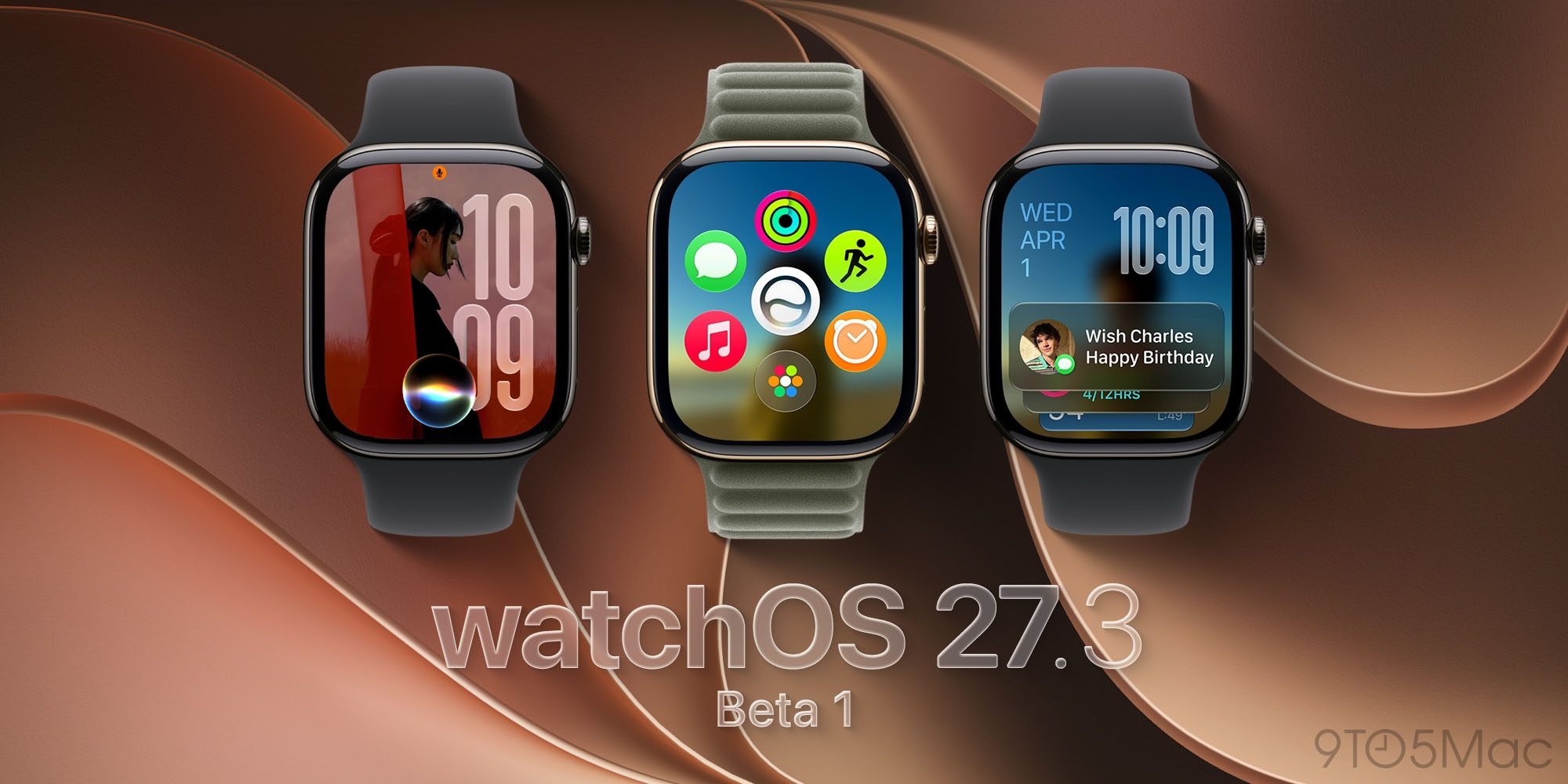
Hardware power requires optimized operating system code to reach its functional potential. Fresh developer software builds are rolling out according to Apple’s latest developer release dispatch. Beta 1 releases for watchOS 27.3, iPadOS 27.3, and tvOS 27.3 are arriving on developer test benches, allowing engineers to stress-test cross-device hardware environment continuity. This comes immediately after the public debuts of the iPadOS 27.2 update, the iOS 27.2 update, and the macos 27.2 update. These software iterations expose how well Apple’s physical hardware holds up under changing operating system demands, background indexing tasks, and thermal stresses. As background system daemons coordinate with cloud sync services and developer extensions, early software builds occasionally introduce unexpected battery drain, highlighting the ongoing tension between current-generation mobile silicon capabilities and the operating system’s execution efficiency.
For high-end iPad buyers, raw hardware capability is rarely the primary bottleneck. The core challenge is matching expensive internal components with software that actually uses them. The 13-inch iPad Pro aims to replace traditional laptops for portable creative workflows. It features an optional nano-texture glass upgrade on 1TB and 2TB models to cut down environmental glare in brightly lit office studios, magnetic pins for smart accessories like the Magic Keyboard, and a landscape-oriented front-facing camera that looks natural during video conference calls. Buying this device means paying top dollar for hardware craftsmanship. You must carefully evaluate whether the physical build, screen fidelity, and processor speed justify the cash outlay in real-world everyday work, especially when traditional laptop computers offer broader file system flexibility and native multi-window multitasking out of the box.
Engineering Architecture & How It Works
The physical engine of the iPad Pro is the formidable M4 system-on-chip. Built using an advanced second-generation 3nm semiconductor manufacturing process, the M4 houses up to 10 CPU cores—divided into 4 performance cores and 6 efficiency cores—alongside a robust 10-core graphics processor. The chip features hardware-accelerated ray tracing and mesh shading directly on the silicon die, dramatically accelerating 3D rendering pipelines and visual effects calculations. Internal memory bandwidth reaches an impressive 120GB/s across unified memory configurations of 8GB or 16GB, ensuring rapid data movement between the CPU, GPU, and unified memory pool. Heat management relies on a clever copper Apple logo set directly inside the aluminum back casing, paired with thin graphite sheets embedded throughout the main chassis structure to pull heat away from active compute zones during sustained multi-core workloads.
Display technology on the 13-inch unit uses a sophisticated Tandem OLED setup labeled Ultra Retina XDR. Instead of lighting a single organic light-emitting diode sheet, the panel overlays two separate light-emitting layers to boost maximum full-screen luminance and maintain long-term panel stability against burn-in. The display operates at a sharp 2752-by-2064 resolution at 264 pixels per inch, delivering crisp typography and vibrant graphics. ProMotion variable refresh rates range dynamically from 10Hz to 120Hz depending on screen movement, conserving battery power during static reading while providing buttery-smooth motion during fast scrolling or sketching. Internal power originates from a built-in 38.99Wh rechargeable lithium-polymer battery. Power delivery flows through a 20W power adapter bundled in the box, though the internal charging controller supports power delivery inputs up to 30W when paired with higher-wattage brick chargers.
In Apple’s official launch documentation, the engineering team claims the Tandem OLED panel delivers 1,000 nits full-screen brightness and 1,600 nits peak HDR brightness without thermal throttling. Examining the fine print of the hardware documentation reveals this peak 1,600-nit output is strictly limited to dynamic HDR video content covering less than 20 percent of the display surface area. In full-screen desktop workflows, document editing, or bright daylight note-taking, continuous screen output sits at 1,000 nits maximum, which remains exceptionally readable outdoors. Meanwhile, the dedicated 16-core Neural Engine handles background machine learning tasks at a hardware speed of 38 trillion operations per second. This dedicated hardware layer processes developer beta background threads, predictive text suggestions, intelligent photo masking, and real-time graphics renders without bogging down the primary user interface or interrupting active creative applications.
Real-World Performance Reality
On paper versus in practice present two distinct realities for the 13-inch M4 hardware. In raw performance benchmarks and export tests, the M4 processor chews through 4K H.264 and ProRes video exports in LumaFusion and Final Cut Pro for iPad without hesitation. Thermal management holds up remarkably well during short rendering bursts. The back metal panel warms noticeably around the central Apple logo during prolonged rendering sessions, but the aluminum body diffuses heat effectively enough to prevent abrupt thermal throttling. Hardware latency with the Apple Pencil Pro measures a razor-thin 9ms, ensuring that pen strokes appear instantly beneath the glass. Screen redraws feel instantaneous during rapid sketching, digital painting, or complex vector manipulation passes, making the stylus experience feel indistinguishable from drawing on physical paper.
Real-world battery longevity falls short of initial manufacturer promises under heavy, uncompromised professional application loads. Official tech specifications state the 38.99Wh battery lasts up to 10 hours of continuous web browsing over Wi-Fi. In real-world daily use, however, running high-brightness professional apps with background developer indexing, external NVMe drive mounts, and full display brightness drains the battery flat in approximately 6 hours and 20 minutes. Connecting external accessories through the single 40Gbps Thunderbolt port accelerates battery drain further, as the tablet powers external dongles and peripheral storage drives. If you run full dual-screen setups with external production monitors, keeping a high-wattage power adapter plugged into the wall outlet becomes an absolute necessity for uninterrupted studio sessions.
Physical usability delivers a mixed bag depending on your specific workspace setup and travel habits. The astonishing 5.1mm thickness makes the tablet incredibly rigid, sleek, and easy to slide into a backpack alongside notebooks. However, that hyper-thin profile comes with notable physical trade-offs. The frame entirely lacks an analog 3.5mm headphone jack, forcing audio professionals, musicians, and video editors to rely on USB-C audio adapters or low-latency wireless Bluetooth headphones. The physical side volume and power buttons offer short, clicky travel that can be slightly difficult to locate by feel alone when the tablet is mounted inside heavy protective folio cases. Furthermore, the single Thunderbolt 4 port restricts simultaneous accessory connections unless you invest in a costly external powered USB-C hub. Operating the iPad Pro without dedicated hardware accessories like a keyboard case or external stand severely limits its ergonomic utility as a primary day-to-day workstation.
Competitive Landscape: Named Rivals Compared
To properly evaluate the market position of the 13-inch M4 iPad Pro, we must examine its two closest high-end hardware competitors in the premium tablet category:
- Samsung Galaxy Tab S10 Ultra: The Samsung Galaxy Tab S10 Ultraretails for $1,199 USD on Amazon for its base 256GB storage configuration. Samsung provides a massive, expansive 14.6-inch Dynamic AMOLED 2X display running at a smooth 120Hz refresh rate. It is powered by a capable MediaTek Dimensity 9300+ octa-core processor paired with 12GB of RAM. Physical dimensions include a 5.4mm thin chassis and a weight of 1.58 pounds, making it slightly heavier and broader than Apple’s offering. Unlike Apple, Samsung generously includes an S Pen stylus directly inside the retail box, saving buyers extra cash upfront. The screen offers a wider 16:10 aspect ratio, making it fantastic for widescreen video playback and split-screen app multitasking. However, its single-core CPU processing performance clearly lags behind Apple’s current-generation M4 silicon in intensive application tasks like multi-track audio processing, heavy 3D asset generation, and raw 4K video rendering.
- Microsoft Surface Pro 11: The Microsoft Surface Pro 11sells for $999 USD on Amazon for the base Snapdragon X Plus model, or $1,499 USD for the higher-end Snapdragon X Elite version outfitted with an OLED display. The Surface Pro 11 features a versatile 13-inch PixelSense Flow display running at a sharp 2880-by-1920 resolution. It includes an integrated, infinitely adjustable kickstand, dual USB-C USB4 ports for flexible peripheral connectivity, and a full desktop version of Microsoft Windows 11 ARM. At 9.3mm thick and weighing 1.97 pounds, the Surface hardware feels noticeably bulkier and heavier in the hand than the featherlight iPad Pro. However, it runs complete legacy desktop software without mobile operating system sandbox restrictions, file management walls, or extension barriers. For deep file management, local coding environments, and multi-window desktop productivity, the Surface hardware architecture offers far more operational flexibility straight out of the box.
When comparing physical hardware designs side-by-side, Apple clearly wins on raw panel quality, peak HDR display brightness, premium build materials, and raw GPU performance per watt. Samsung offers a larger display canvas and includes the stylus in the box, but its Android application hardware environment for professional creative tasks remains sparse and inconsistently optimized. Microsoft provides a true desktop operational model with superior connectivity ports and traditional file management, but it sacrifices physical thinness, battery efficiency, and raw single-thread processing speeds compared to Apple’s dominant M4 hardware architecture.
Final Buyer Recommendation: Practical Value Decision
The 13-inch M4 iPad Pro is a masterpiece of high-performance physical hardware that is constrained primarily by software operating system boundaries. If your professional workflow focuses heavily on digital drawing, mobile video editing, high-resolution photo retouching, vector illustration, or media production, the physical hardware is virtually unrivaled in the modern marketplace. The Tandem OLED screen delivers unmatched color accuracy, deep blacks, and stunning dynamic contrast. The M4 chip handles demanding timeline renders without ever generating loud fan noise or distracting hums. The aluminum chassis build quality is exceptional, and hardware latency with touch and stylus inputs remains the gold industry standard.
You should skip this device if your daily routine requires full windowed desktop multitasking, unrestricted terminal access, granular local file system administration, or native legacy desktop app compatibility. Buying the tablet alongside an essential Apple Pencil Pro and a Magic Keyboard drives total out-of-pocket costs well above $1,700 USD. For that exact amount of cash, dedicated traditional laptops provide double the internal storage space, superior physical port selection, and infinitely more flexible operating system environments for general office tasks. The short answer is clear: Buy it if you need the absolute best mobile tablet screen and hardware power available on the market today. Skip it if you need a true laptop replacement for general office productivity, complex software development, or unrestricted file management.