

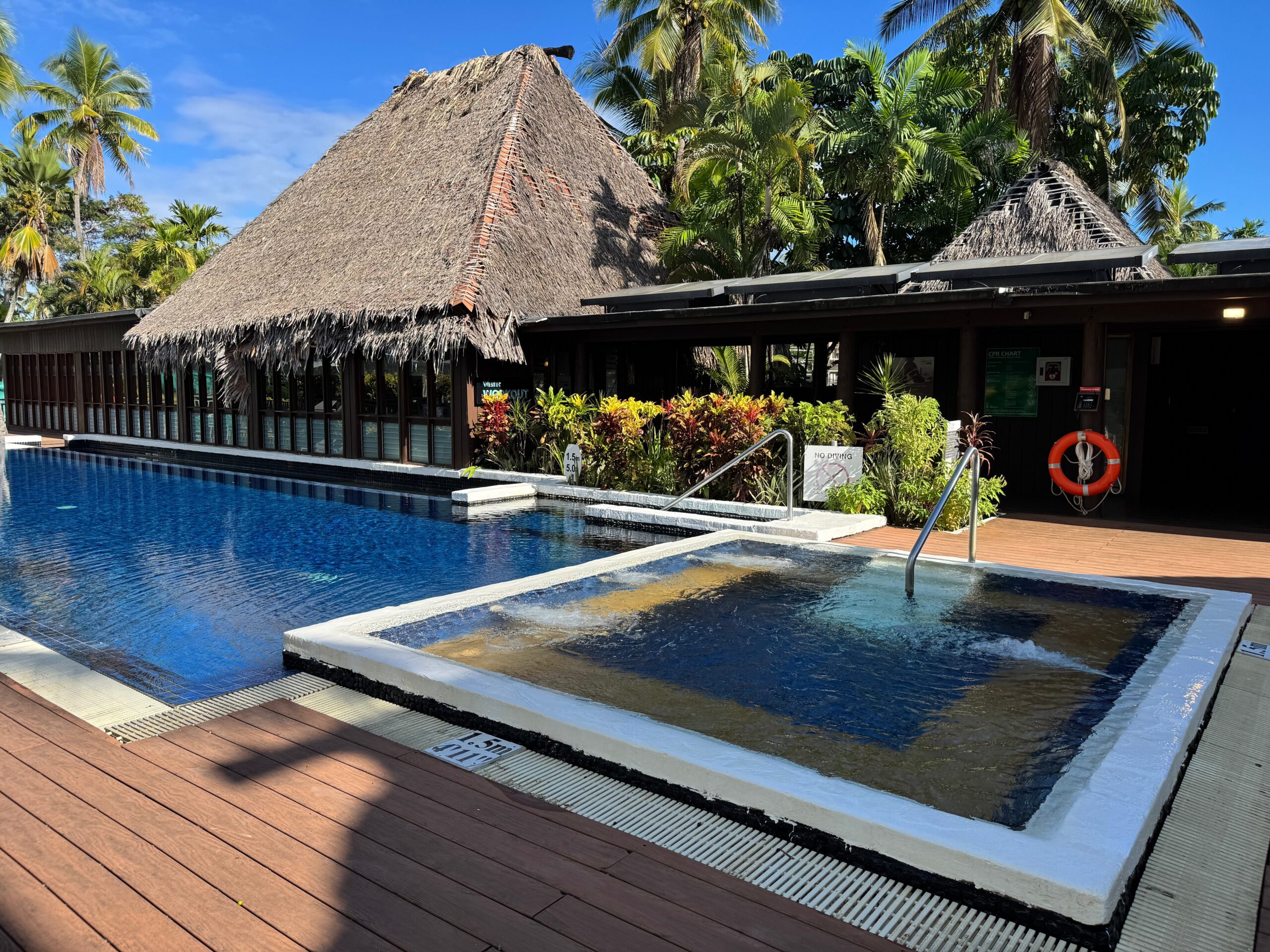
Marriott International is officially converting the currently closed Westin Fiji Golf Resort & Spa on Denarau Island into the refreshed JW Marriott Fiji Resort & Spa, marking the brand’s first luxury JW-tier property in the South Pacific island nation. While published cash rates for the upgraded resort will not be unlocked until reservations open in December 2026, standard luxury resort pricing on Denarau Island typically ranges from $450 USD to $850 USD per night (or between 50,000 and 85,000 Marriott Bonvoy points per night) direct from Marriott Bonvoy. This extensive resort transition is tailored for family travelers, vacationing couples, and loyalty program members who want to redeem credit card rewards for a high-end island stay without sacrificing modern resort amenities.
🛒 Where to Buy: Business Travel Luggage
Editorial Note & Product Verification: The Cool Great Buys editorial desk independently verifies manufacturer technical specifications, cross-checks active retail availability across authorized sellers, and evaluates verified consumer reliability data before publishing product evaluations. All featured prices and promotions reflect active market rates at the time of publication.
- Samsonite Freeform Hardside Expandable Luggage: View on Amazon
Click the link above to check current pricing, availability, and customer reviews on Amazon.
The resort transformation is currently underway on Denarau Island, a gated resort enclave situated on the western coast of Fiji’s main island of Viti Levu. Following a multimillion-dollar overhaul of the physical footprint, the property is scheduled to officially open its doors to guests in the first quarter of 2027 according to news reporting by Upgraded Points. When fully operational, the JW Marriott Fiji Resort & Spa will encompass 282 guest accommodations, spanning traditional hotel rooms, spacious family suites, and standalone luxury villas featuring private plunge pools. This shift elevates Marriott’s regional portfolio, transitioning a classic upper-upscale Westin asset into a top-tier luxury property.
For household budget planners and points enthusiasts, this reflagging represents a major shift in how Bonvoy points can be spent in the Fiji market. Denarau Island has long served as the primary transit hub for international tourists arriving through Nadi International Airport (NAN). By introducing the JW Marriott badge to this specific coastline, Marriott is creating a direct luxury competitor to established high-end resorts in the region, while giving travelers a fresh option to use transferrable credit card points for premium accommodations.
State of the Category & What Changed
The South Pacific luxury accommodation market has historically been split between two distinct formats: remote, highly exclusive private island resorts accessible only by helicopter or seaplane, and large-scale mainland resorts clustered around primary transport hubs like Denarau Island. In recent years, major global hotel chains have aggressively updated their mainland footprints to offer higher-end luxury brands directly accessible by vehicle from international airports. The conversion of the Westin Fiji Golf Resort & Spa into a JW Marriott property represents the latest phase of this portfolio elevation, swapping out a wellness-focused upper-upscale brand for full-scale luxury hardware.
Under its previous branding, the Westin property was a staple for mid-tier luxury travelers and families seeking accessible beachfront access. The ongoing multimillion-dollar renovation alters the physical baseline of the property. When booking channels go live in December 2026 ahead of the early 2027 grand opening, the property will feature updated guest accommodations, modernized common areas, and specialized amenities designed to cater to both adult couples and multi-generational families under one roof. The inclusion of private pool villas within the 282-room inventory specifically targets high-spend cash travelers and elite Bonvoy members looking for upgraded spatial privacy.
From an operational standpoint, the transition to the JW Marriott brand shifts the hotel into a higher Marriott Bonvoy reward tier. While the former Westin property provided relatively accessible redemptions for budget-conscious families, the JW Marriott designation means per-night award rates will require a significantly higher points investment. However, the location maintains its primary structural advantage: direct road connectivity to Nadi International Airport, eliminating the expensive secondary boat transfer fees that often add thousands of dollars to private island resort vacations.
Generational Delta: The Engineering Upgrades That Matter
The operational shift from a Westin to a JW Marriott requires substantial hardware changes to meet brand specifications. What caught my eye reading the full spec sheet is that while the resort is not receiving a complete ground-up structural tear-down, the central lobby, reception areas, and core guest-facing public spaces are being completely demolished and reconstructed to meet JW Marriott architectural standards. This targeted architectural strategy updates the initial layout of the resort while completely changing the first-impression entry experience and social hubs.
The resort’s pool infrastructure is receiving a major operational layout split. Rather than relying on a single central pool deck, the new design introduces dedicated zones tailored to specific guest demographics. Families will have access to a broad, kid-friendly main pool area, while guests seeking quiet relaxation can utilize a dedicated adults-only pool complex outfitted with an integrated poolside bar and café. This physical separation of high-activity family areas from low-noise leisure zones directly addresses one of the most common friction points in large-scale island resorts.
Culinary options are also undergoing a significant expansion, expanding from basic resort dining into five distinct food and beverage concepts. According to technical documentation published with the project release, the property will launch with:
- All-Day Dining Restaurant: Serving international options alongside traditional South Pacific regional dishes.
- Signature Japanese Restaurant: A specialized dinner venue focused on teppanyaki and fresh seafood.
- JW Market: A streamlined grab-and-go venue offering coffee, baked goods, light lunches, and essential travel groceries.
- Craft Cocktail Lounge: An upscale evening venue specializing in curated wines, spirits, and small plates.
- Fijian Cultural Dining Experience: An elevated outdoor venue centered around traditional Lovo earth-oven cooking and cultural performances.
Childcare and youth programming have also been upgraded beyond standard resort offerings. The property will feature both a structured kids club for younger children and a dedicated, tech-focused teen zone. Combined with a comprehensive full-service spa facility and a modernized fitness center, the physical amenities represent a genuine generational upgrade over the legacy Westin infrastructure.
Everyday Usability Trade-Offs & Adoption Barriers
While the conversion to a luxury JW Marriott property delivers higher-end amenities, it introduces real-world financial trade-offs for normal households. Rebranding an upper-upscale hotel into a luxury asset inevitably drives up cash room rates and raises the baseline for award redemptions. In plain English, families who previously relied on the Westin for a cost-effective points stay will find the new JW Marriott requires a much higher volume of Bonvoy points per night. When calculating the total cost of ownership for a five-to-seven-night family vacation, the higher point requirements mean travelers must stretch their rewards budgets further.
The physical location of Denarau Island also presents specific trade-offs that travelers must weigh before booking. Denarau is a man-made island development connected by a short bridge to the Viti Levu mainland. While this offers incredible transit convenience—allowing families to step off an international flight and arrive at the resort check-in desk within 20 minutes—the beaches on Denarau feature darker volcanic sand and tidal flats. Guests expecting pristine, powdery white sand and turquoise coral lagoons directly outside their patio doors will not find that specific landscape on Denarau Island without taking a day-trip boat excursion to the outer Mamanuca or Yasawa islands.
On-site daily living expenses represent another major operational cost for families. Dining inside gated resort precincts on Denarau carries premium pricing. Feeding a family of four across three daily meals at hotel restaurants can easily add $150 USD to $300 USD per day to the final checkout bill. While the inclusion of the grab-and-go JW Market provides a practical option for quick breakfasts and affordable snacks, overall food and beverage spend will remain a substantial component of the total vacation expense.
Category Alternatives and Rival Solutions
Travelers evaluating a points-backed trip to Fiji have several established alternatives within the same region and loyalty ecosystems. Comparing the incoming JW Marriott against existing options highlights how different resort layouts impact both total spending and vacation style.
The primary internal competitor within the Marriott ecosystem is the Fiji Marriott Resort Momi Bay, located on Viti Levu’s western coast with rooms starting around $380 USD per night direct from Marriott Bonvoy. Unlike the Denarau Island location, Momi Bay features built-overwater bures centered around a man-made lagoon alongside oceanfront rooms facing the open sea. Momi Bay sits at a slightly lower redemption point tier than a flagship JW Marriott, making it more digestible for families trying to stretch a point balance. However, Momi Bay is roughly a 45-minute drive from Nadi International Airport, adding extra transit time, and its isolated location leaves guests entirely dependent on resort dining without access to the off-site restaurants located around the Denarau Marina.
Outside the Marriott brand family, the InterContinental Fiji Golf Resort & Spa stands as a top-tier alternative, with entry-level room rates starting around $420 USD per night direct via IHG One Rewards. Situated on Natadola Beach—widely regarded as the finest public white-sand beach on the main island—the InterContinental delivers superior natural ocean access directly from the resort grounds. The property features an established Planet Trekkers kids club, an adults-only infinity pool, and direct access to the 18-hole Natadola Bay Championship Golf Course. The main drawback compared to the JW Marriott on Denarau is transit distance: the InterContinental requires a 50-to-60-minute drive from the airport, and getting off-property for dining requires renting a car or booking private taxis.
Evaluating these options comes down to prioritizing convenience versus natural beach environment. The JW Marriott Fiji Resort & Spa offers unbeatable proximity to the airport and marina excursions, paired with brand-new 2027 hardware and distinct family/adult zoning. Travelers prioritizing pristine white-sand beaches right outside their room may prefer Natadola Beach, while those looking for overwater accommodations within the Marriott network will find Momi Bay a compelling alternative.
Final Trajectory Verdict: Future Outlook & Buying Advice
The conversion of the Westin into the the item & Spa is a smart strategic move for Marriott’s South Pacific strategy, filling a gap for a modern luxury flagship on Denarau Island. For points-focused travelers, the key to maximizing value at this property lies in advance planning before reservations open in December 2026. Because Marriott utilizes flexible award pricing, booking early during the initial December window for Q1 2027 stays will likely yield the best combination of point rates and suite upgrade availability.
Travelers looking to accumulate Marriott Bonvoy points ahead of the early 2027 opening have several efficient pathways. Marriott Bonvoy points can be transferred at a 1:1 ratio from flexible reward currencies including Chase Ultimate Rewards, Bilt Rewards, and American Express Membership Rewards. Furthermore, holding premium travel credit cards like the Platinum Card ® from American Express or The Business Platinum Card ® from American Express provides automatic Marriott Bonvoy Gold Elite status, unlocking complimentary room upgrades upon availability and late checkout perks that add tangible value to a luxury stay.
For normal households evaluating the bottom line, the the product & Spa represents a high-value redemption option if you want hassle-free airport transfers, top-tier kids club facilities, and brand-new hardware. While cash rates and food expenses will carry a luxury premium, leveraging credit card point transfers to cover room costs makes a high-end Fijian vacation significantly more achievable for budget-conscious families planning ahead for 2027.