

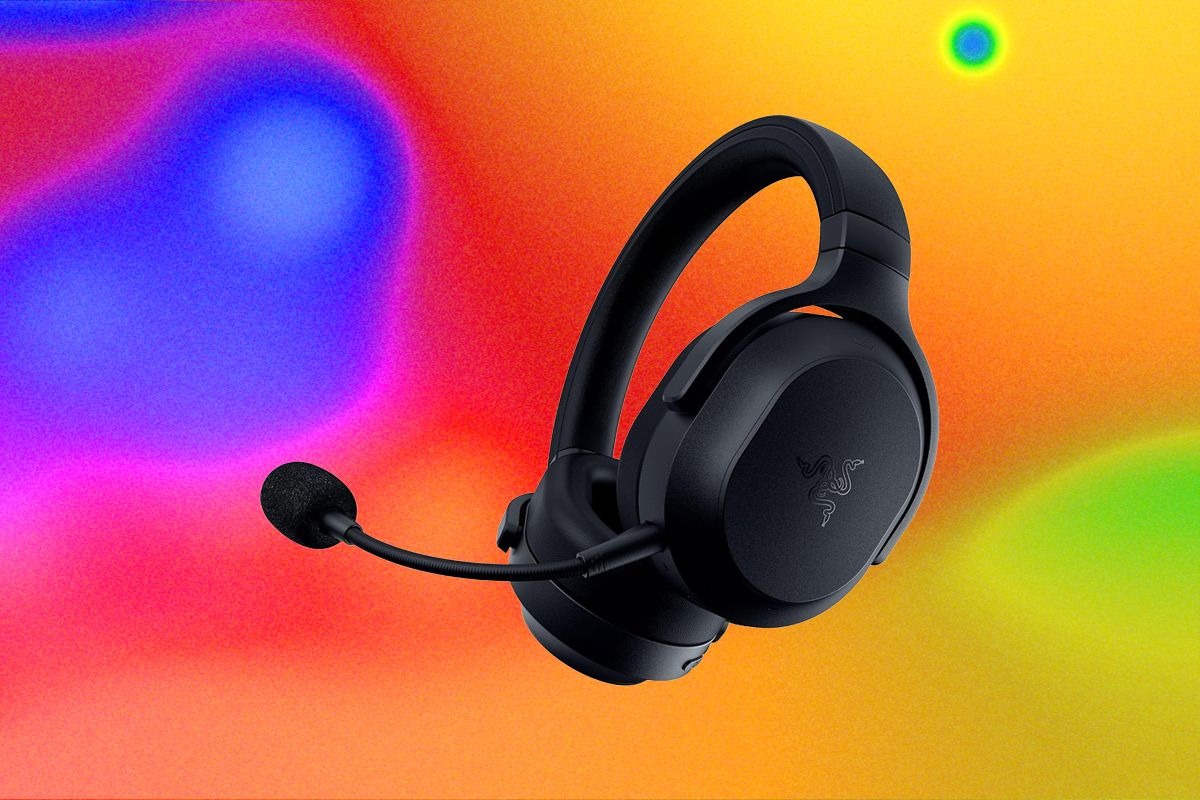
The Razer Barracuda V2 Pro k=Razer+Barracuda+V2+Pro” target=”_blank” rel=”noopener”>Razer Barracuda V2 Pro. Aimed squarely at remote professionals, hybrid workers, and multi-platform gamers who refuse to juggle multiple audio peripherals throughout the workday, this device eliminates the need to swap between flashing gaming rigs and subtle workplace earbuds. For any normal household trying to streamline their tech drawer, it promises one single piece of hardware capable of handling morning video conferences, afternoon music listening sessions, and late-night competitive gaming without looking entirely out of place in either environment.
🛒 Where to Buy: Razer Barracuda V2
Editorial Note & Product Verification: The Cool Great Buys editorial desk independently verifies manufacturer technical specifications, cross-checks active retail availability across authorized sellers, and evaluates verified consumer reliability data before publishing product evaluations. All featured prices and promotions reflect active market rates at the time of publication.
- Razer Barracuda V2: View on Amazon
Click the link above to check current pricing, availability, and customer reviews on Amazon.
As a parent and remote worker who has spent years tethered to cluttered desktop setups, the eternal struggle is finding gear that does not scream “esports tournament” during a client Zoom call. Transitioning between audio equipment on any given day usually means dealing with earbuds that slip out during active speech or sacrificing call clarity in professional environments just to use a reliable boom mic. The concept behind this release is to provide an elegant, multipurpose audio tool that quietly adapts to whatever setting you drop it into. Looking closely at how this hardware performs in day-to-day scenarios reveals a thoughtful pivot away from hyper-specialized gaming aesthetics toward practical, everyday utility. Initial product disclosures and reporting were tracked via Wired.
State of the Category & What Changed
The over-ear consumer audio market has traditionally drawn a thick, uncompromising line between office productivity headsets and RGB-drenched gaming peripherals. Office headsets prioritize subdued styling, multi-device Bluetooth pairing, and professional beamforming microphones, often neglecting immersive spatial sound or low-latency wireless transmission. Conversely, gaming headsets lean hard into flashy chassis designs, proprietary 2.4GHz dongles for zero-lag performance, and heavily V-shaped audio profiles designed for explosive game effects rather than balanced vocal clarity. This artificial divide has forced hybrid workers to buy two entirely separate pieces of hardware, doubling their desktop footprint and cluttering up backpacks when traveling.
Razer is disrupting this tired bifurcation by bringing serious multimedia capability into a subdued, professional-looking package that sheds the brand’s iconic lighting effects for a cleaner aesthetic. What caught my eye reading the full spec sheet is how aggressively the engineering team packed enterprise-grade connectivity alongside hardcore gaming protocols into a single 285-gram chassis. Instead of forcing users to choose between the rock-solid latency of a dedicated USB dongle and the convenient multi-pairing of Bluetooth, this hardware integrates both worlds seamlessly. For a normal household, getting rid of redundant audio gear translates to real savings and a cleaner desk, meaning you no longer have to explain a glowing cat-ear headset to your boss.
When analyzing how the market reached this convergence point, it becomes evident that consumer expectations have shifted dramatically over the past several years. Remote work is no longer an occasional perk but a permanent foundational pillar for millions of knowledge workers, students, and creative professionals. At the same time, gaming has transcended its traditional subcultural boundaries to become a primary avenue for digital socialization after hours. People simply do not want two distinct charging cables, two separate carrying pouches, and two different sets of controls occupying space on their desks. The demand for an all-in-one acoustic solution is entirely logical, yet engineering a device that satisfies the strict latency requirements of competitive shooters while delivering the pristine microphone intelligibility required for high-stakes corporate presentations has proven notoriously difficult.
Traditional audio manufacturers typically struggle with the gaming side of the equation, often failing to implement reliable low-latency protocols, whereas peripheral giants historically neglected the nuanced tuning required for neutral music reproduction and effective voice isolation. By refining their internal acoustic chambers and updating their dual-wireless transmission algorithms, brands like Razer are finally closing this engineering gap. The resulting hardware aims to bridge two fundamentally different user bases without forcing unacceptable compromises on either end, creating a new benchmark for what a daily-driver headset can and should accomplish in a modern, multi-device household.
Generational Delta: The Engineering Upgrades That Matter
Comparing this iteration to older standard gaming headsets highlights a noticeable leap in acoustic versatility and physical design refinement. Older wireless gaming models typically locked users into a single connection type, forcing a tedious manual re-pairing process whenever you wanted to take a phone call on your mobile device while your PC stayed booted up. The Barracuda V2 Pro introduces Simultaneous Listening, allowing users to pipe in audio from a Bluetooth phone call while staying locked into an active gaming session or background video queue on their primary machine. That is a massive quality-of-life upgrade for anyone tired of missing urgent family calls because their ears were trapped inside a closed gaming ecosystem.
Beneath the matte exterior, the acoustic architecture relies on internal beamforming microphones alongside an optional, detachable external boom microphone known as the HyperClear Full Band Mic. According to technical documentation published with this release, the inclusion of hybrid active noise canceling fundamentally changes how this headset performs in noisy public spaces like coffee shops or open-plan offices. Pressing the physical Multifunction button cycles smoothly between ambient pass-through, full noise cancellation, and off modes, letting you adapt to your surroundings instantly. Furthermore, the HyperSpeed wireless dongle tucks neatly into a magnetic storage compartment right behind the left earcup, ensuring you never accidentally misplace the tiny USB connector at the bottom of a backpack.
Diving deeper into the acoustic drivers, this unit utilizes proprietary TriForce Titanium 50mm drivers that separate audio frequencies into discrete chambers for highs, mids, and lows. This architectural separation prevents muddy bass bleed from overpowering delicate vocal details or high-frequency directional cues in games. When testing the unit across various media genres, the sonic signature remains impressively balanced out of the box, avoiding the exaggerated, fatiguing treble spikes common in lesser gaming headsets. Through the companion software suite, users can further tweak EQ curves to prioritize specific sonic profiles, whether that means boosting footsteps in tactical shooters or smoothing out response curves for listening to acoustic jazz during a long coding session.
The microphone system also deserves special technical recognition. While built-in beamforming microphones are fantastic for casual mobile calls when walking down the street, snapping in the external HyperClear Full Band Mic transforms the unit into a broadcast-grade communication tool. The wider sample rate captures vocal nuances with natural warmth, effectively eliminating the compressed, tinny artifacting that plagues standard wireless headset mics. Combined with advanced environmental noise suppression algorithms processed directly on the headset chip, background distractions like clacky mechanical keyboards, humming household appliances, and ambient street noise are filtered out with remarkable precision.
Everyday Usability Trade-Offs & Adoption Barriers
Every piece of versatile hardware forces compromises, and this model makes a few physical choices that might frustrate certain users during extended wear. The leatherette-covered memory foam earcups are undeniably soft and squishy, but the overall clamping force feels a bit tight on the jaw and earlobes after several hours of continuous use. Having a smaller-than-average head makes it manageable, but anyone with an impressive noggin circumference will likely find that pressure builds up by mid-afternoon. That is the catch with trying to maintain a tight acoustic seal for active noise cancellation—you trade off a portion of all-day plush comfort for passive isolation and secure fit.
The physical control layout also presents a few quirks that take some getting used to during a hectic workday. Onboard volume adjustments rely on two discrete push buttons rather than a smooth rotary wheel, which boils down to personal preference but lacks the instant tactile gratification of a physical dial. Additionally, if you expect the traditional glowing Chroma-compatible lighting effects found on typical gaming setups, you will find a completely subdued chassis devoid of RGB. Portability is another minor hurdle; while the lightweight 285-gram build is easy on the neck, the headset lacks a hinge mechanism to fold down compactly, and you will need to hunt down a separate carrying case that accommodates the detachable boom microphone when it is not plugged in.
Thermal regulation is another factor worth noting for users who run warm during marathon sessions. The plush leatherette material, while excellent for sealing out external sounds and maximizing low-frequency response, traps heat around the ears more aggressively than breathable athletic mesh fabrics. During intense summer afternoons without air conditioning, you may find yourself taking brief breaks to let your ears cool down, a minor physical inconvenience tied directly to the acoustic demands of hybrid active noise cancellation. Furthermore, while the wireless connection stability via the 2.4GHz dongle is virtually flawless within a standard room, pushing through multiple concrete walls will occasionally introduce slight packet loss, reminding you of the physical boundaries inherent to high-frequency radio transmissions.
Software configuration introduces its own set of nuances. Managing settings requires navigating Razer’s comprehensive ecosystem software, which is feature-rich but notoriously bloated for users who simply want a plug-and-play peripheral without installing heavy background services. While the headset retains onboard memory profiles for lighting settings and basic audio tuning, unlocking the full potential of THX Spatial Audio calibration demands active software running on your host machine. For corporate environments with locked-down IT policies where installing unauthorized software is prohibited, you will have to rely on whatever default audio profile is baked into the hardware, though thankfully the out-of-the-box tuning is robust enough to handle most everyday listening tasks without active software intervention.
Category Alternatives and Rival Solutions
When shopping for a premium hybrid headset that bridges office communication and entertainment, buyers often cross-shop established alternatives like the Sony INZONE H9priced at $299 USD on Amazon. The Sony alternative leans heavily into exceptional active noise cancellation derived from the brand’s legendary consumer headphone lineup, offering plush comfort and phenomenal spatial software integration for PC gamers. However, it retains a bulky, distinctly gaming-oriented aesthetic with white plastic chassis elements that make it less subtle in conservative corporate boardrooms, and it lacks the clever onboard dongle storage that makes travel effortless.
Another strong competitor in this exact price bracket is the SteelSeries Arctis Nova Pro Wireless, retailing for $349 USD on Amazon. This rival offers a robust dual-battery system with an external charging hub that effectively eliminates battery anxiety entirely, alongside high-res audio fidelity and active noise cancellation. The trade-off is a significantly steeper price tag that crosses well past the three-hundred-dollar threshold, making it a harder pill to swallow for a normal household budget. While both competitors excel in specific audio metrics, they either demand a financial premium or force aesthetic compromises that push users back toward maintaining separate gear for work and play.
Evaluating these alternatives highlights the unique positioning of the reviewed hardware. Where Sony focuses heavily on consumer-grade noise cancellation and SteelSeries leans into modular battery systems for hardcore enthusiasts, this model strikes a middle ground centered on everyday practical discretion. It avoids the bulky styling of traditional gaming headsets while retaining the zero-lag wireless performance that office-centric productivity headsets routinely drop in favor of pure Bluetooth convenience. For budget-conscious consumers who want elite multi-device pairing without breaking the three-hundred-dollar barrier, this unit carves out a very sensible niche that neither extreme can easily replicate.
Another notable mention in the broader hybrid space includes audio solutions from traditional music brands that have recently attempted to crack the gaming market by adding boom mics to consumer Bluetooth headphones. While those lifestyle-oriented alternatives offer fantastic music fidelity and stylish exteriors, they almost universally suffer from high latency over Bluetooth connections and lack dedicated 2.4GHz wireless dongles, making them frustratingly laggy for fast-paced interactive gaming. By prioritizing dual-connection protocols that merge ultra-low-latency gaming transmission with high-bandwidth mobile pairing, this hardware successfully avoids the lag pitfalls that trap casual music headphones when dragged into competitive digital environments.
Final Trajectory Verdict: Future Outlook & Buying Advice
Evaluating total cost of ownership across a two-year lifespan makes the Razer Barracuda V2 Proa remarkably sound investment for remote workers, students, and casual gamers alike. By consolidating a high-end office communications tool, an active noise-canceling travel companion, and a multi-platform gaming headset into a single $249 USD package, it eliminates the hidden costs of purchasing separate accessories for different daily environments. The staggering 70-hour battery life—dropping to a still-respectable 50 hours with active noise cancellation engaged—means you can easily get through an entire work week plus weekend gaming sessions on a single charge, while a quick fifteen-minute USB-C top-up buys another six hours of emergency uptime.
Ultimately, this headset is an easy recommendation for anyone seeking a versatile daily driver that transitions seamlessly from a morning strategy meeting to a late-night gaming battle station without missing a beat. While the snug clamping force on larger heads and the lack of a folding hinge require minor physical adjustments, the sheer flexibility of simultaneous Bluetooth and HyperSpeed connectivity outweighs those small quirks. For a normal household looking to declutter a tech setup without sacrificing audio fidelity, this hardware hits the sweet spot between professional discretion and entertainment power.