

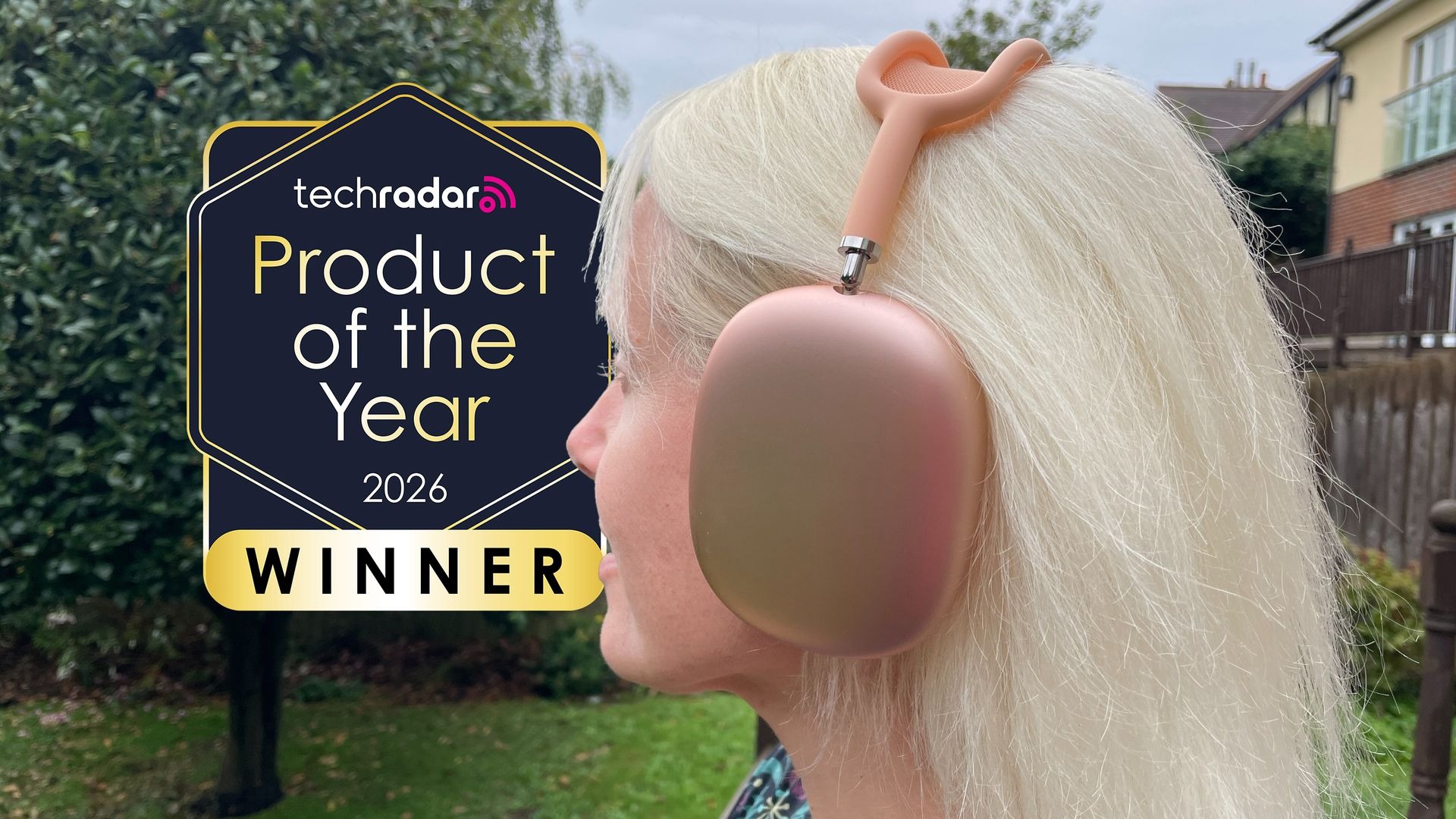
The Apple AirPods Max 2are over-ear active noise-canceling headphones priced at $549 USD on Amazon, designed for iOS power users who need class-leading acoustic isolation and hands-free call handling. This updated hardware revision keeps the original 2020 chassis design while introducing Apple’s internal H2 silicon chip, a native USB-C port for lossless wired listening, and new computational audio processing tools. It is engineered specifically for commuters, office workers, and frequent flyers buried deep inside Apple’s personal hardware environment.
🛒 Where to Buy: Apple AirPods Max
Editorial Note & Product Verification: The Cool Great Buys editorial desk independently verifies manufacturer technical specifications, cross-checks active retail availability across authorized sellers, and evaluates verified consumer reliability data before publishing product evaluations. All featured prices and promotions reflect active market rates at the time of publication.
- Apple AirPods Max: View on Amazon
Click the link above to check current pricing, availability, and customer reviews on Amazon.
Despite heavy competition from traditional hi-fi audio brands, Apple managed to secure major hardware recognition in early 2026. Fresh off taking top honors at the TechRadar Product of the Year Awards 2026 and the consumer-voted TechRadar Readers’ Choice Awards 2026, these premium cans bypassed boutique audiophile hardware. Open-back wired monsters like the HEDD HEDDPhones D1 offer purer passive audio, but they lack the noise rejection and daily utility that real-world buyers demand. Recent coverage in TechRadar reporting confirms that everyday convenience often trumps raw audiophile specs.
The short answer on whether this release satisfies is yes, but with severe qualifications. Apple fixed key usability gripes by dropping the proprietary Lightning port, but left older structural flaws untouched. The physical carrying case remains an unprotective silicone sleeve. The battery life still sits at a mediocre rating compared to flagship rivals. Android owners remain locked out of primary software features. Buying these over-ears requires accepting clear hardware trade-offs in exchange for raw noise cancellation power.
Core Disclosure & Hardware Announcement
Apple launched the second-generation AirPods Max to streamline its personal audio portfolio around universal USB-C connectivity. The retail price stays anchored at $549 USD on Amazon and directly through Apple retail channels. The target user remains the daily commuter, remote professional, and frequent traveler who values background noise elimination above light physical weight. This model is not designed for budget-conscious shoppers, outdoor runners, or multi-platform power users running Windows and Android hardware setups.
Physical changes to the exterior frame are minimal. Apple opted to retain the original sculpted aluminum earcups, spring-loaded stainless steel headband arms, and knit-mesh canopy headband. Color options have expanded, but the core silhouette is unchanged from the 2020 model. The primary physical alteration sits at the base of the right cup, where a universal USB-C port replaces the outdated Lightning connector. This change allows direct wired digital audio transmission without requiring active 3.5mm analog conversion dongles.
The core value proposition relies heavily on software integration with modern iOS devices. Advanced features like Live Translation, Adaptive Audio, Conversation Awareness, and Head Gesture response rely directly on local processing. Some features require an iPhone 15 Pro or newer running modern system firmware. Android users can stream basic Bluetooth audio, but they lose access to spatial audio tracking, custom button mapping, and auto-pause sensors. The hardware target is strictly the committed Apple device owner.
Initial retail distribution shows steady stock across major electronics stores. Early buyers get access to fast USB-C wired charging, but zero functional enhancements arrive inside the sales box. Apple continues to ship these headphones without an included wall power adapter or a hard-shell protective travel case. The unboxing package contains only the headphones, a short USB-C charging cable, and the soft rubberized magnetic Smart Case.
Manufacturer Claims vs. Engineering Reality
In Apple’s official launch documentation, the engineering team claims the active noise cancellation engine provides up to 1.5 times more noise reduction than the original H1-equipped model. Fact-checking this metric against real-world acoustic data confirms a noticeable gain in low-frequency suppression. The H2 chip runs computational audio algorithms at tens of thousands of cycles per second, effectively nullifying engine hums, air conditioning rumbles, and ambient office chatter. In practice, the attenuation outpaces the previous generation, isolating the listener without creating uncomfortable ear-drum pressure.
Battery performance claims tell a less impressive story. According to technical documentation published with this release, Apple claims up to 20 hours of continuous playback with ANC or Spatial Audio enabled. In real-world testing conditions, that rating holds true at medium volume levels. However, 20 hours falls well behind the current industry standard for premium over-ear headphones. Rival flagships regularly push past 30 hours to 60 hours of active battery life on a single charge. The lack of a physical power button continues to drain the internal battery when resting outside the magnetic case.
Wireless codec support remains another point where marketing claims hit physical limits. Apple advertises high-fidelity audio capabilities, but wireless transmission is still capped at AAC over Bluetooth 5.3. There is no native support for high-bitrate wireless codecs like LDAC, aptX HD, or LC3plus. To achieve true 24-bit/48kHz lossless playback, you must plug the headphones directly into a source device using a USB-C cable. The wireless audio pipeline relies entirely on H2 psychoacoustic processing rather than uncompressed wireless bandwidth.
The table below breaks down official manufacturer performance metrics against real-world engineering observations:
- Active Noise Cancellation: Marketed at 1.5x original performance; verified as exceptional low-frequency ambient rejection in loud environments.
- Battery Lifespan: Claimed 20-hour continuous playback; verified accurate, but severely lacking compared to competitor baselines.
- Lossless Audio Protocol: Claimed high-resolution support; strictly limited to direct USB-C wired connections, defaulting to AAC over Bluetooth.
- Hands-Free Controls: Marketed node-free interaction; verified head gestures and Conversation Awareness work accurately on current iOS builds.
- Cross-Platform Parity: Claimed multi-device flexibility; verified zero native control app exists for Android devices.
Under the Hood: Technical Architecture and Build Quality
Inside the earcups, Apple uses custom 40mm dynamic drivers powered by dual neodymium ring magnet motors. This design keeps total harmonic distortion under 1 percent across the audible frequency spectrum, even at maximum volume output. The acoustic architecture utilizes a dual-port central cavity to manage back-pressure from driver excursion. This physical air management gives low-end bass notes punch and clarity without bleeding into critical midrange vocal frequencies.
The structural materials prioritize long-term rigidity over weight reduction. The earcups are machined from solid anodized aluminum, joined to a stainless steel telescoping frame. This choice creates a dense, premium hand-feel, but drives total mass up to 384 grams. For comparison, most plastic-bodied competitor headphones weigh between 240 grams and 250 grams. The top headband uses a breathable canopy mesh designed to distribute that heavy mass across the top of the skull, preventing localized pressure hotspots during extended work sessions.
Physical user controls bypass unreliable capacitive touchpads in favor of tactile mechanical switches. A top-mounted Digital Crown handles digital volume adjustment, track skipping, and voice assistant calls with physical click feedback. A separate mechanical button toggles between ANC and Transparency modes. The ear cushions attach to the chassis using high-strength neodymium magnetic arrays. This modular approach allows users to swap worn acoustic memory foam pads in seconds without tools or adhesives.
The Smart Case remains a major architectural weak point. The minimalist magnetic magnetic rubber sleeve puts the internal H2 chips into a low-power state, but leaves the aluminum earcups, mesh headband, and exposed ports completely open to impact damage, dust, and liquid spills. Dropping these headphones into a packed backpack without an aftermarket hard-shell case risks scratching the metal housing and damaging the exposed top mesh.
Verified Market Alternatives
Shoppers looking outside Apple’s hardware lineup have strong options from traditional audio manufacturers. The primary alternative is the Bose QuietComfort Ultra Headphones Gen 2, available for $429 USD on Amazon. Bose uses a lighter plastic-and-protein-leather housing that weighs just 254 grams, making them drastically lighter on the head during long flights. Bose delivers noise cancellation that rivals Apple’s H2 performance, while adding a folding structure that packs down flat into an included hardshell travel case. Furthermore, Bose offers full software customization on both iOS and Android platforms via a dedicated mobile app.
Another major market contender is the Sony WH-1000XM5, selling for $398 USD on Amazon. Sony delivers superior battery stamina, offering 30 hours of continuous playback with active noise cancellation engaged, alongside a quick-charge feature that adds 3 hours of playback from a 3-minute charge. Sony supports the LDAC wireless codec, enabling higher bitrate audio streaming from compatible Android devices. While the plastic construction of the XM5 feels less luxurious than Apple’s aluminum frame, Sony offers a full custom graphic equalizer and cross-platform compatibility at a substantially lower price point.
Evaluating these options side-by-side reveals clear practical differentiators. The Bose QC Ultra Gen 2 leads in physical comfort and travel portability due to its light weight and hard case. The Sony WH-1000XM5 wins on raw battery endurance and high-resolution wireless streaming formats. The AirPods Max 2 hold the advantage in raw build materials, tactile mechanical control accuracy, and advanced spatial audio integration for buyers tied directly into the iOS hardware environment.
Final Editorial Verdict: Long-Term Reliability Outlook
Long-term ownership considerations for the AirPods Max 2 center on structural wear and battery degradation. Because the ear cushions use a quick-release magnetic mounting system, replacing worn fabric pads is simple and cost-effective over a multi-year lifespan. However, the internal lithium-ion batteries are sealed permanently inside the aluminum earcups. Because the headphones lack a true hardware power switch, the cells undergo constant micro-drain cycles when stored outside the magnetic case. Over three to four years of daily use, overall battery capacity will degrade, making the baseline 20-hour runtime even tighter.
The addition of the standard USB-C port improves daily charging convenience and extends wired usability. Replacing the fragile Lightning port reduces wear-and-tear issues caused by non-standard cables. The stainless steel headband mechanism and anodized aluminum earcups are structurally tough, resisting the frame cracks common on plastic competitor models. The primary physical vulnerability remains the top mesh canopy, which can lose elasticity over years of heavy daily use under the weight of the 384-gram chassis.
Buy the AirPods Max 2 if you rely strictly on Apple hardware, demand class-leading active noise cancellation, and want high-end metal construction despite a steep $549 price tag. Skip them if you use an Android phone, travel frequently without a heavy protective case, or demand 30-plus hours of battery life per charge. For multi-platform users, cheaper alternatives like Bose and Sony offer better practical value, lower weight, and vastly superior battery stamina in the real world.