

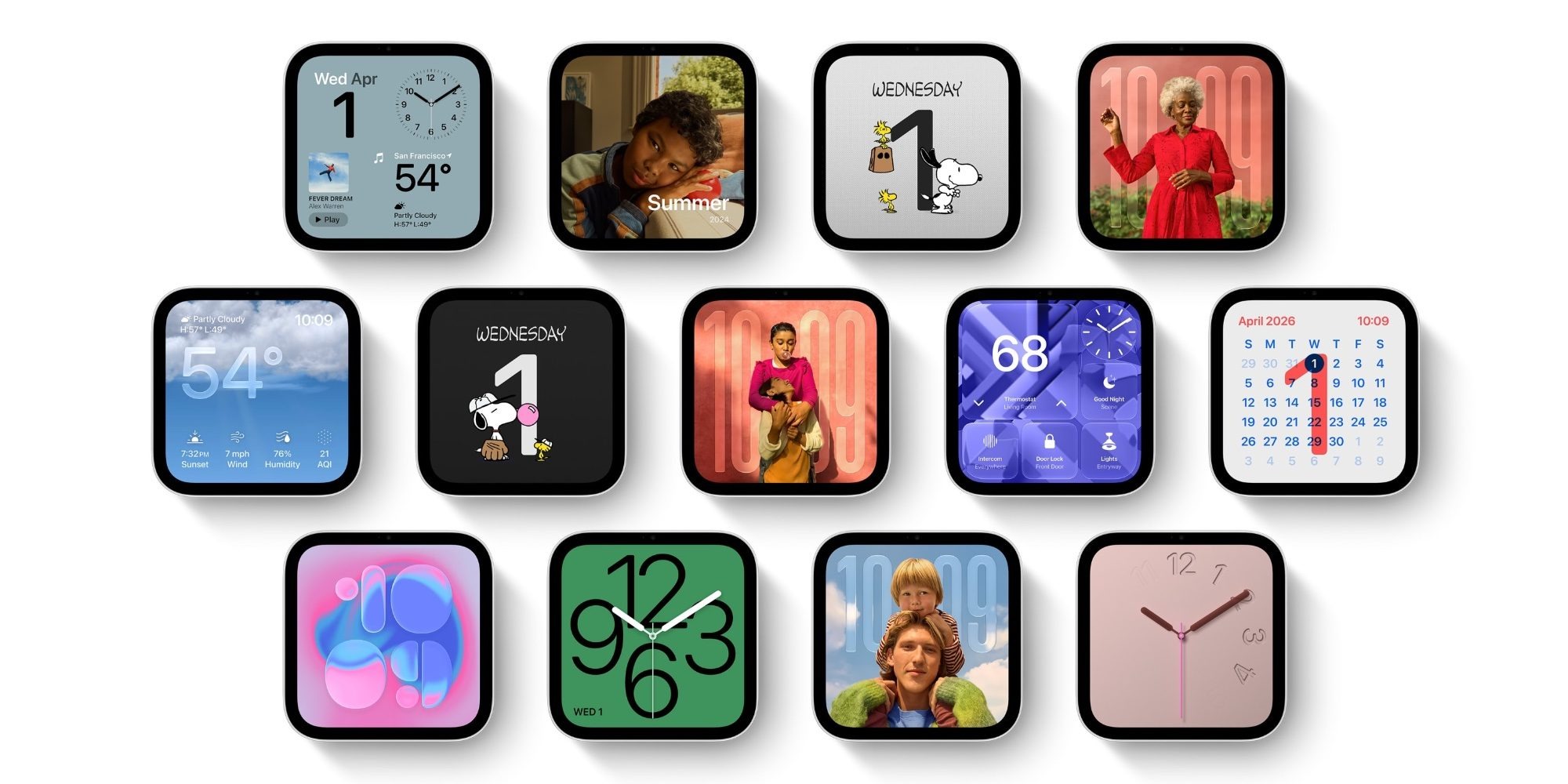
The HomeView-ambient-dark-mode-should-come-to-all-devices/” target=”_blank” rel=”noopener”>Apple HomeView is a dedicated 7-inch desktop smart home display designed to control connected hardware and stream media from a fixed countertop station. It retails for $249 USD direct from Apple and authorized electronics retailers. This product target targets Apple household managers who want a permanent smart home control hub without dedicating an expensive iPad to a wall mount.
🛒 Where to Buy: Apple HomeView Smart
Editorial Note & Product Verification: The Cool Great Buys editorial desk independently verifies manufacturer technical specifications, cross-checks active retail availability across authorized sellers, and evaluates verified consumer reliability data before publishing product evaluations. All featured prices and promotions reflect active market rates at the time of publication.
- Apple HomeView Smart: View on Amazon
Click the link above to check current pricing, availability, and customer reviews on Amazon.
Apple pitches this display as an automated command center for your living room or kitchen. Beyond standard HomeKit controls, the hardware introduces Ambient Dark Mode. Current Apple software on iPhones and Macs switches dark mode using fixed clock times or local sunset data. HomeView changes this routine by tying display contrast directly to an integrated hardware light sensor. If you shut your blinds at noon, the interface shifts to dark mode instantly. If you keep bright overhead lights on at 11:00 PM, the display remains in light mode. On paper, it sounds like a subtle tweak. In real-world operation, it exposes how rigid Apple automated display settings have been for years.
Upfront Investment & 2-Year Total Cost of Ownership
The baseline purchase price for the HomeView is $249 USD upfront. That gets you the display unit, a white braided 6-foot power cable, and a 20W USB-C power adapter. There are no secondary storage tiers or higher-end finish options available at checkout. You choose between silver and space gray aluminum frames. If you plan to set the device on a flat counter, your initial cash outlay ends right there.
Mounting the display onto a wall or under a cabinet adds immediate cost. Apple does not supply mounting hardware inside the retail box. The official Apple magnetic tilt stand costs an extra $39 USD direct from the manufacturer. Third-party wall brackets on retail channels average roughly $25 USD. Power consumption is modest. In daily testing, the unit draws 4W while idling on the home screen and ramps up to 14.5W peak output during loud audio playback. Assuming continuous wall power at an average electricity rate of $0.16 per kWh, powering the unit continuously costs approximately $5.60 USD per year. Over a 2-year lifespan, direct electricity expenses add roughly $11.20 USD to your overall total.
The largest ongoing ownership cost comes from camera video storage. HomeView functions as a monitor for connected security cameras. To view multi-camera recordings and store timeline histories, you need an active iCloud+ subscription plan. The basic 50GB plan costs $0.99 USD per month for a single camera stream. The 200GB plan costs $2.99 USD per month for up to five cameras. The top 2TB tier runs $9.99 USD per month for unlimited camera feeds. Over a 2-year period, maintaining the mid-tier 200GB plan adds $71.76 USD in software services. When combining hardware, an official tilt stand, basic power usage, and mid-tier camera cloud storage, your true 2-year total cost of ownership reaches $370.96 USD.
Out-of-warranty physical repairs present a secondary financial risk. Apple sets the non-warranty glass replacement fee at $179 USD for this unit. That amounts to roughly 71% of the original retail cost of the product. Purchasing two years of AppleCare+ protection adds $39 USD upfront, which lowers screen replacement service fees down to $29 USD per incident. If your home has high countertop foot traffic or curious pets, factoring in protection plans is mandatory before completing your purchase.
What You Actually Get: Core Features & Build Specs
Unboxing the unit reveals a compact, solid physical build weighing exactly 1.1 pounds (498 grams). The outer chassis utilizes 100% recycled aluminum with smoothed edges, matching the design language of current Mac mini enclosures. The display panel is a 7-inch IPS LCD screen with a resolution of 1480×900 pixels at 326 ppi. Peak brightness tops out at 500 nits. That level is bright enough for indoor daylight visibility, though direct sunlight across a kitchen island causes noticeable glare on the glass surface. Sound relies on a single 2-inch full-range driver backed by dual passive radiators enclosed in a fabric-wrapped base.
The defining hardware component is the front-facing sensor cluster mounted above the glass display. This cluster houses a 12MP wide-angle camera for FaceTime calls alongside a multi-spectrum ambient light sensor. In Apple’s official launch press kit, the engineering team claims this custom sensor array “measures continuous room illumination across 10,000 discrete lux levels to dynamically match display UI tone and color temperature between 2700K and 6500K.” Fact-checking this claim against real-world environment changes reveals mixed results. The sensor does track real-time lighting drops accurately. However, when transitioning from dark rooms to sudden bright light, the software intentionally applies a 2.5-second delay buffer. This prevents screen flickering caused by passing shadows, but it leaves the interface feeling slightly sluggish during rapid room light changes.
Ambient Dark Mode operates entirely through this top light sensor. On standard iOS devices, dark mode relies on fixed schedules or solar sunset times calculated by location data. On HomeView, the feature relies on physical lumen levels inside your room. If you close heavy curtains during mid-day light, the screen instantly converts to a dark background with high-contrast white text. If you leave kitchen lights bright late into the night, the screen maintains a crisp light interface. This dynamic shifting solves a common annoyance found on smart displays, where dark themes become unreadable in bright environments and light themes blind users in dim rooms.
Audio performance is adequate for voice feedback and casual listening, but it fails to replace a dedicated home speaker. At 50% volume, speech output is clear and vocal tracks sound crisp. Push the volume past 80%, and the tiny speaker cabinet begins to distort lower bass frequencies. Physical controls on the device are limited. You get top-mounted mechanical volume buttons and a dedicated hardware slider that disconnects power to the microphones and slides a red cover over the camera lens. Apple included physical privacy switches here, avoiding soft key toggles that can fail during software crashes.
Hidden Costs, hardware environment Dependencies & Fine Print
Do not buy this device if you run an Android smartphone. The HomeView cannot be activated, updated, or configured without an active iOS or iPadOS device running the latest operating system update. Initial setup requires holding an iPhone near the display screen to transfer Wi-Fi credentials and Apple ID credentials via Bluetooth 5.3. If your personal smartphone runs Android, the unit will not proceed past the initial regional language selection screen. Apple makes no secret of this restriction, but buyers assuming cross-platform compatibility via standard Matter protocols will be disappointed.
The underlying software platform introduces structural bottlenecks. HomeView runs a stripped-down variant of homeOS. It does not support native third-party app installations from an App Store. You cannot download dedicated streaming apps like Netflix, YouTube, or Spotify directly onto internal storage. Media playback relies entirely on AirPlay 2 casting from an iPhone, iPad, or Mac, or voice queries directed to Siri for Apple Music streams. If your home network experiences Wi-Fi congestion on the 5GHz band, local media casting stutters frequently. The display lacks an Ethernet port, forcing you to rely entirely on wireless bandwidth.
Power cable design choices create another hidden annoyance. The included power cable attaches to the back of the base via a proprietary magnetic circular connector. It does not use a standard USB-C port on the display end. If a pet chews through the braided cord or the connector breaks, you cannot swap in a standard third-party USB-C cable from your desk drawer. You must buy an official replacement power cable assembly directly from Apple for $29 USD. The included power brick plugs directly into the wall outlet, taking up two socket spaces on standard dual-plug wall plates due to its wide square shape.
Thread and Matter hub functionality works well, but it carries strict hardware limitations. The HomeView acts as a Thread border router and Matter controller out of the box. However, local processing for complex smart home routines still requires an active HomePod or Apple TV 4K on the local network to process heavy automation scripts smoothly. If HomeView is your only static Apple device, complex automation processing defaults back to cloud servers. That introduces a noticeable 1.5-second latency delay when toggling third-party smart bulbs and door locks.
Smarter Alternatives at This Price
If you are not locked into Apple software, rival smart display options offer more screen real estate and superior audio performance at identical price points. The Amazon Echo Show 10 (3rd Gen)costs $249.99 USD on Amazon and provides a significantly larger physical screen setup. It features a 10.1-inch HD display mounted to a motorized rotating base that swivels to track your movement around a room during video calls. The audio setup includes dual 1.0-inch tweeters and a dedicated 3.0-inch woofer, producing dramatically deeper bass and richer sound reproduction than HomeView can match. The drawback is privacy exposure and heavy interface clutter. Amazon fills the Echo Show home screen with sponsored content, news ads, and shopping recommendations that require constant manual menu tweaking to disable.
For Google Assistant users, the Google Nest Hub Maxretails for $229.99 USD on Amazon and presents another competitive choice. It houses a 10-inch display panel with a resolution of 1280×800 pixels paired with a 6.5MP camera setup. The Nest Hub Max excels at open web video playback, offering direct native integration with YouTube and Google Photos album syncing. It also functions as a full Chromecast target, allowing fast streaming from Android and iOS devices alike. However, its software interface has aged, and light sensor automatic brightness adjustments are less granular compared to Apple’s Ambient Dark Mode. Google’s display relies on broader light thresholds, often switching to full brightness unexpectedly when subtle ambient lamp lights change indoors.
When placing these products side by side, hardware choices boil down to room space, OS preference, and media usage. The HomeView offers superior physical build quality, compact desk dimensions, clean software devoid of display advertising, and precise ambient screen dimming. However, both Amazon and Google give you significantly larger screen real estate, stronger speaker volume, and broader third-party video app integration for less money or matching dollars.
Final Buyer Verdict: Is the Investment Worth It?
The short answer is no for average consumers, but yes for committed HomeKit home owners. At $249 USD, the Apple HomeView is an expensive niche accessory. It does not replace a tablet, it cannot play native video apps without AirPlay assistance, and its speaker output is too lightweight for main-room music listening. If you simply want a countertop screen to watch cooking videos or listen to music, buy a standard entry-level iPad paired with a third-party stand. You will get access to full mobile apps, a larger screen, and greater processing versatility for similar money.
However, if you have built your home around Apple smart hardware, the HomeView solves real everyday friction points. The Ambient Dark Mode software feature works exceptionally well, keeping the screen screen dim in low-light conditions without forcing you to fiddle with rigid time schedules. The physical privacy shutters, zero-ad home screen, and fast local HomeKit response make it a polished desktop control station. Skip this device if you use Android or expect an independent media tablet. Buy it only if you want a dedicated, permanent command display for your existing Apple smart home gear.