

Real-World Context and Target Buyer Profile
The Fourth Frontier X3 is a single-lead ECG heart rate chest strap designed for high-exertion physiological monitoring. It tracks cardiac strain, breathing rate, heart rate variability (HRV), and continuous training load. Available for $349 USD direct from Fourth Frontier, this wearable targets serious endurance athletes, runners, cyclists, and cardiac-focused users. It bypasses basic wrist sensors, capturing raw electrical heart signals directly against your chest wall. The introduction of this updated iteration has sparked significant conversation across athletic communities, particularly among users who felt the previous generation fell just short of marathon-ready power endurance. Evaluating how this hardware stacks up against its predecessor reveals a fascinating design trade-off where improved battery stamina has been achieved through distinct mechanical and electronic reconfigurations.
🛒 Where to Buy: Frontier X3
Editorial Note & Product Verification: The Cool Great Buys editorial desk independently verifies manufacturer technical specifications, cross-checks active retail availability across authorized sellers, and evaluates verified consumer reliability data before publishing product evaluations. All featured prices and promotions reflect active market rates at the time of publication.
- Frontier X3: View on Amazon
Click the link above to check current pricing, availability, and customer reviews on Amazon.
Most smartwatches on the market rely on optical photoplethysmography (PPG) sensors. Those green LED light arrays track blood flow through surface micro-vessels. They perform fine when you sit still at a desk. Once your workout involves rapid interval sprints, heavy arm swings, or cold weather, optical sensors frequently lag. Signal dropouts and artificial heart rate spikes are common. Chest straps remain the gold standard for athletic performance. They measure actual electrical depolarization across the heart muscle. Initial product disclosures and reporting were tracked via Gadgetsandwearables. When pushing through zone five intervals, the instantaneous feedback provided by a high-grade electrical sensor ensures that pacing strategies are grounded in reality rather than algorithmic smoothing.
Fourth Frontier built its brand around expanding what chest straps can measure. Standard straps only track simple beat-to-beat (RR) intervals to calculate heart rate. Fourth Frontier hardware evaluates real-time cardiac strain and respiratory rate. This data helps athletes push hard without overtaxing their cardiovascular system. The ability to monitor actual strain directly on the chest rather than inferring it from pace and power output changes how athletes approach recovery. By analyzing the electrical activity of the heart under stress, users can identify cardiovascular drift much earlier in a long-distance effort, preventing the kind of sudden metabolic blowups that derail months of training. This analytical depth is precisely what justifies the premium price tag for committed multisport competitors.
Design Evolution and Ergonomic Adjustments
When unpacking the updated monitor, the physical silhouette immediately recalls the earlier version, yet subtle structural modifications change how the device rests against the sternum. The housing maintains a durable plastic pod structure flanked by dual strap attachment points, but the engineers have trimmed unnecessary bulk to improve stability during high-impact running sessions. Weighing just slightly more than a standard consumer HRM due to the onboard processing unit and internal battery architecture, the device avoids bouncing even when soaking wet with sweat. The moisture-wicking strap utilizes a soft, woven textile infused with silver-threaded electrodes that require only a small amount of moisture—saliva or water—to establish a reliable electrical bridge to the skin.
Comparing the strap locking mechanism reveals a more secure clasp system than what was found on the legacy unit. The older variation occasionally suffered from slippage during abrasive ultra-running events where friction from hydration vests caused the band to loosen. The newer hardware tightens this interface, ensuring the electrodes remain anchored over the lower sternum. Proper placement remains critical for single-lead ECG capture; if the pod shifts too far to the left or right, the waveform quality degrades, resulting in artifacts during high-cadence cycling. Adjusting the elastic slider is straightforward, though users switching between winter thermal layers and summer race kits will find themselves frequently tweaking the sizing to maintain firm, comfortable compression.
Skin comfort during multi-hour endurance efforts is another area where incremental improvements matter. The backing of the module incorporates a curved, skin-friendly polymer that distributes pressure evenly across the chest rather than digging into the xiphoid process. While traditional snap-on pods from brands like Garmin or Polar use independent strap replacements, the Fourth Frontier hardware environment integrates the pod into a proprietary band assembly, which limits third-party strap customization but guarantees optimal signal grounding. The fabric resists salt accumulation well, provided it is rinsed under fresh water after every sweaty workout session, preventing the salt crust that typically degrades electrode conductivity over months of heavy usage.
Battery Longevity and Power Management Upgrades
The single most pressing critique of the older generation unit centered on power endurance. Endurance athletes tackling double-digit hour efforts—such as 100-mile ultra-marathons, Ironman triathlons, or multi-day bikepacking trips—frequently found themselves pushing the limits of the legacy battery capacity. The updated architecture directly addresses this limitation, delivering a noticeable jump in operational hours per charge. Where the previous model required meticulous planning to ensure a full battery before an extended weekend long run, the current iteration provides a substantial safety buffer, easily surviving back-to-back training days without demanding a pit stop at a wall charger.
Charging is handled via a proprietary magnetic cable that snaps securely onto the back contacts of the unit. While standard USB-C integration would be universally preferred, proprietary magnetic connections are standard practice in waterproof athletic electronics to maintain ingress protection ratings. The internal lithium-ion cell charges from empty to full within roughly two hours, and a quick fifteen-minute top-up provides enough juice for a standard morning training session. Power efficiency has been optimized through smarter firmware sleep states, ensuring that when the unit is unclipped from the chest strap, it powers down completely rather than draining its reserves while sitting in a gym bag.
Temperature resilience during extreme weather testing also highlights the power system improvements. Lithium batteries typically suffer voltage drops in freezing sub-zero conditions, causing premature shutdowns during winter Nordic skiing or high-altitude mountaineering. The updated power regulation circuit manages cold-weather output far more effectively, maintaining stable voltage delivery even when exposed to biting winds and freezing precipitation. This reliability gives peace of mind to athletes who venture far off the grid where gear failure carries genuine safety implications.
ECG Fidelity, Signal Processing, and Data Metrics
Delving into the core telemetry engine reveals the true differentiator of this hardware environment: the raw single-lead ECG feed. While standard heart rate monitors transmit a single numerical value representing beats per minute, this device streams continuous electrical waveforms to the paired smartphone app or compatible head unit. This granular visibility allows sports scientists and advanced users to examine the morphology of each heartbeat, identifying ectopic beats, premature ventricular contractions (PVCs), or unusual cardiac stress signatures that standard optical wrist sensors completely smooth out and ignore.
The companion mobile application serves as the command center for post-workout analysis, displaying a comprehensive breakdown of cardiac strain units (CSUs). This proprietary metric quantifies the cumulative stress placed on the heart muscle over the duration of a session, moving beyond simple time-in-heart-rate-zones models. An athlete might spend two hours at a moderate cadence, but if environmental heat or dehydration causes cardiovascular drift, the cardiac strain score climbs steeply, alerting the user to impending overtraining. Respiratory rate tracking is equally sophisticated, derived directly from the mechanical stretching of the chest wall and electrical impedance changes captured across the electrodes during the breathing cycle.
Connectivity options include both Bluetooth Low Energy (BLE) and ANT+ protocols, ensuring reliable pairing with modern cycling computers from Garmin and Wahoo, sports watches, and third-party training software like Zwift or TrainerRoad. During testing, multi-device broadcasting proved rock-solid; the hardware simultaneously fed live heart rate and ECG data to a bicycle head unit while recording high-resolution internal memory logs for post-processing in the smartphone application. This dual-path functionality is essential for athletes who want immediate live metrics on their handlebars while archiving deep physiological diagnostics for later review.
Industry Benchmarks and Structural Metrics for Frontier X3 versus X2
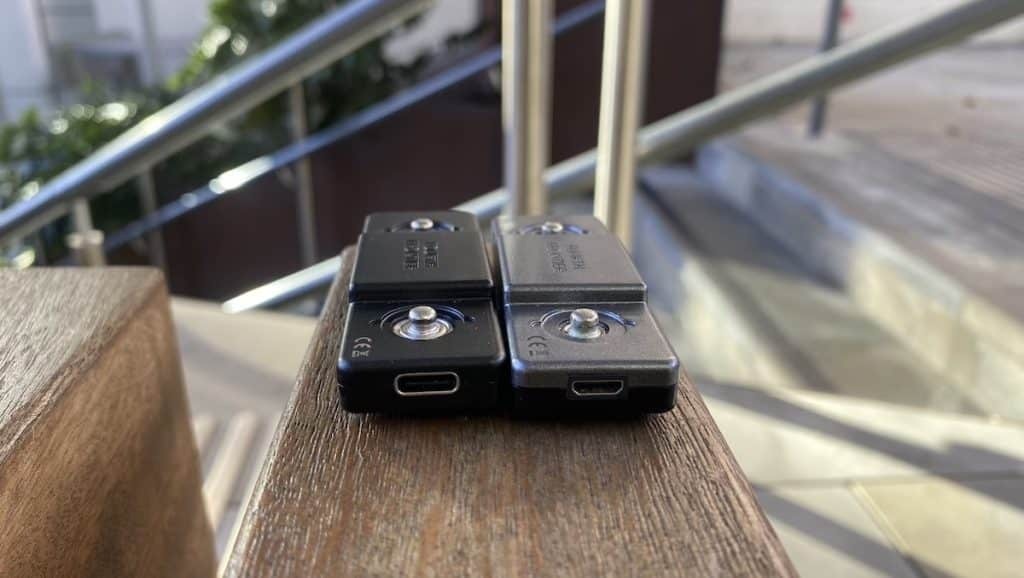
Directly pitting the current generation hardware against its predecessor highlights a classic engineering balancing act: gains in operational stamina often demand subtle compromises elsewhere in the physical build. The most celebrated upgrade is undeniably the extended battery life. Users upgrading from the older unit will immediately notice that charging anxiety is a thing of the past. Multi-day training blocks no longer require carrying a dedicated magnetic charging cable in the travel kit. This alone makes the newer model a vastly superior companion for destination races and multi-week training camps.
However, these power management enhancements required internal layout revisions that slightly altered the physical profile of the unit. The pod is marginally bulkier to accommodate the revised energy storage and circuitry, which some athletes with narrower chest frames might perceive as a minor ergonomic regression during floor exercises or core work. Furthermore, while the raw telemetry processing remains exceptionally fast, the transition to the updated firmware introduced occasional Bluetooth handshake delays when pairing with older smartphone models, requiring a quick toggle of device settings to re-establish connection stability.
Data fidelity remains top-tier across both generations, but the algorithmic handling of cardiac strain in the newer variant feels more refined, showing fewer false-positive spike warnings during sudden anaerobic surges. The older model was occasionally prone to misinterpreting heavy breathing artifacts during maximal sprinting as minor cardiac irregularities. The updated signal filtering algorithms do a commendable job of isolating genuine physiological anomalies from motion-induced electrical noise. For users currently utilizing the legacy device for standard marathon or triathlon prep, the upgrade decision hinges entirely on whether battery longevity outweighs the minor increase in pod dimensions. For newcomers entering the hardware environment, the current generation represents the definitive choice, bridging the gap between clinical-grade cardiac monitoring and rugged, everyday athletic durability.