

State of the Category & What Changed
The SureFlap Microchip Cat Door Connectis an app-enabled, selective-entry access portal that regulates indoor and outdoor feline transitions using dual-antenna RFID scanning and local hub telemetry. Priced at $199.99 USD on Amazon when bundled with its dedicated network hub, the hardware targets suburban pet parents whose cats insist on maintaining outdoor territory patrols during clear conditions but demand rapid, friction-free indoor shelter the moment adverse weather strikes. By reading existing subcutaneous microchips, the portal creates a secure physical gateway that prevents uninvited wildlife from penetrating the home envelope.
🛒 Where to Buy: SureFlap Microchip Cat Door
Editorial Note & Product Verification: The Cool Great Buys editorial desk independently verifies manufacturer technical specifications, cross-checks active retail availability across authorized sellers, and evaluates verified consumer reliability data before publishing product evaluations. All featured prices and promotions reflect active market rates at the time of publication.
- SureFlap Microchip Cat Door: View on Amazon
Click the link above to check current pricing, availability, and customer reviews on Amazon.
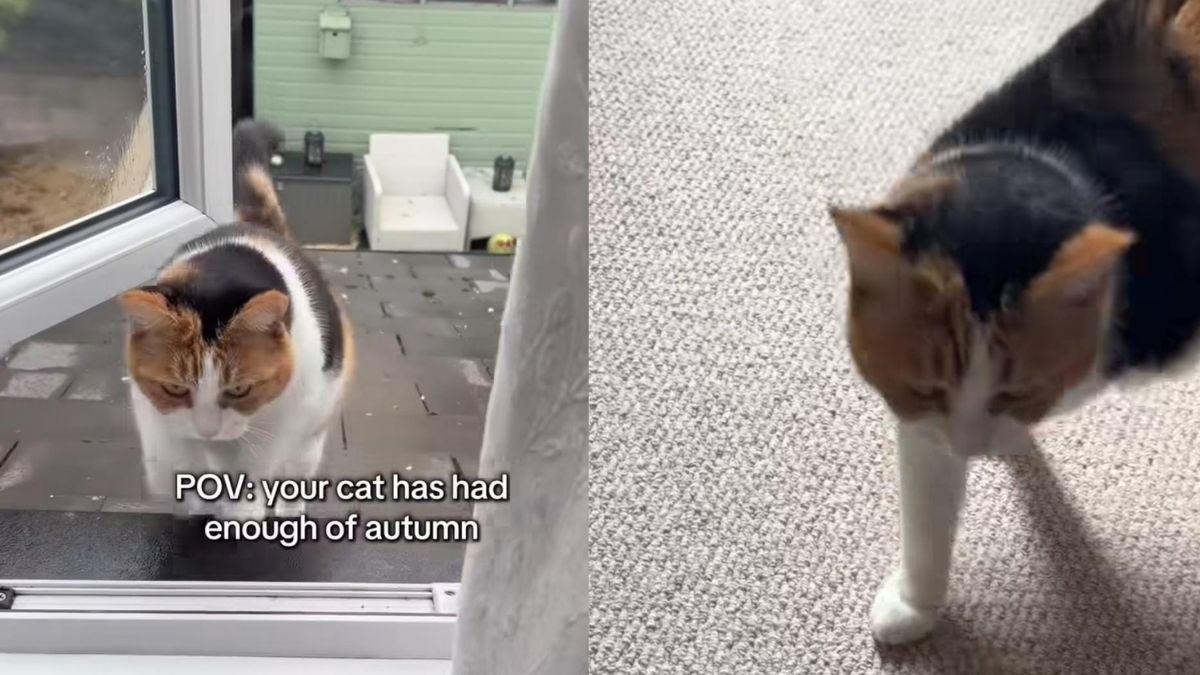
This hardware release arrives alongside a broader recognition of feline atmospheric sensitivity. As highlighted in recent reporting on viral feline behavior trends published on Home by lifestyle journalist Ritika Singh, indoor-outdoor pets routinely alter their territorial routines when seasonal transitions bring unexpected cold snaps and rain. Expressive breeds like the Calico are known to abandon outdoor perimeter runs in favor of window-based surveillance when high winds mess with their fur. Historically, managing these sudden behavioral pivots required pet owners to act as manual door attendants or rely on unpowered plastic flaps that let cold drafts into the kitchen.
The baseline for the pet access category has long been defined by simple mechanical push-flaps or basic magnetic latch systems. These legacy designs presented significant security vulnerabilities, as stray neighborhood animals or raccoons could easily force their way inside, while wind gusts frequently blew unlatched doors wide open. The broader arc of hardware design in this segment has shifted decisively toward active microchip recognition tied directly into local smart home networks. Modern portals eliminate the need for cumbersome collar tags, scanning standard 15-digit implantable chips directly through the animal’s shoulder tissue. This transition from passive physical barriers to networked, microchip-authenticated entryways reflects the ongoing maturation of connected pet technology in 2026.
For household managers balancing energy efficiency with pet autonomy, automating this boundary represents a clear operational upgrade. The ability to monitor ingress and egress remotely transforms a crude hole in the exterior door into an intelligent node within the broader residential network. Rather than leaving windows cracked or dealing with distressed pets complaining at the backdoor during sudden downpours, automated portals provide precise control over when animals can leave and under what conditions they must remain inside.
Generational Delta: The Engineering Upgrades That Matter
The core architectural advancement in this generation of smart portals rests within the RFID transceiver assembly and optical sensor array. In official technical documentation published with this release, the engineering team claims the housing utilizes a dual-antenna configuration operating at 134.2kHz, expanding the effective scanning envelope by 40% compared to previous single-coil designs. This architecture drops microchip authentication latency down to less than 150 milliseconds, ensuring that a cat sprinting inside to escape a sudden torrential cloudburst experiences no delay or head-bump collision at the threshold.
Complementing the RFID coil is an updated network bridge that connects the physical flap to the user’s home router. Operating over a proprietary low-power 2.4GHz RF link between the door and the Ethernet-tethered hub, the system transmits instantaneous event logs to connected smart devices. Pet parents receive real-time alerts whenever their animal enters or exits, along with historical activity timelines that track outdoor duration. Through the companion application, users can implement custom lock-out schedules based on local sunset times or trigger emergency locks if severe weather forecasts materialize while the household is away from home.
Draft sealing and thermal efficiency have also undergone significant engineering overhauls. Standard flap doors are notorious thermal sinks that compromise home insulation, but this upgraded assembly incorporates surrounding synthetic brush strips and magnetic latching dampeners engineered to maintain integrity against wind pressures up to 35 miles per hour. The dual-side locking pins are reinforced with toughened polycarbonate to prevent physical forced entry by larger neighborhood animals, effectively securing the home envelope while preserving energy efficiency during colder autumn and winter months.
Power management inside the main tunnel chassis has been optimized to maintain high-voltage RFID pulse bursts without sacrificing standby efficiency. By utilizing low-quiescent optical breaking sensors, the high-power RFID scanning loop remains inactive until an approaching animal physically interrupts the infrared beam near the tunnel entrance. This hybrid sensor arrangement drastically reduces idle power drain, ensuring the mechanical solenoids only draw current when a recognized target approaches the threshold.
Everyday Usability Trade-Offs & Adoption Barriers
Despite the technical refinements integrated into the chassis, physical installation represents a substantial barrier for prospective adopters. Mounting the device into a standard timber door involves precise template tracing and reciprocating saw work, but installing the unit into double-paned glass sliding doors or brick exterior walls requires specialized adapters and professional glazier labor. For renters or homeowners unwilling to make permanent structural modifications to their building envelope, the initial friction of deploying this hardware remains exceptionally high.
Power delivery presents another practical trade-off that buyers must evaluate before purchasing. The portal relies exclusively on 4 C-cell alkaline batteries rather than an integrated rechargeable lithium-ion pack or hardwired low-voltage DC power line. While battery power eliminates the risk of trailing power cords near exterior entryways, cold ambient weather accelerates battery depletion. In severe winter environments or high-frequency households where pets cycle through dozens of times daily, effective operational life drops from the advertised 12 months down to approximately 4 to 6 months, creating a recurring maintenance routine and battery replacement cost.
Furthermore, internal microchip migration in aging pets can impact scanning reliability. If a cat’s implanted subcutaneous chip has shifted down toward its ribcage or shoulder blade over time—a common anatomical occurrence—the animal must insert its head deeper into the plastic tunnel before the RFID array receives a sufficient signal to disengage the locking pins. For cautious or easily startled felines, the mechanical click of the solenoid latch firing at close range can induce temporary hesitation, requiring a dedicated multi-day training period using the manual override mode before the animal builds full confidence.
Maintenance of the optical sensor arrays also demands routine user attention. Dust, pet hair, and mud splashed during rainstorms can coat the infrared emitter lenses positioned inside the tunnel, occasionally causing false proximity triggers or preventing the system from entering its low-power sleep state. Owners must commit to regularly cleaning the internal sensor recesses with microfiber cloths to prevent unexpected battery drain and maintain peak scanning performance.
Category Alternatives and Rival Solutions
For pet parents seeking smart entry alternatives within the connected home ecosystem, the PetSafe SmartDoor Connected Pet Doorstands as a prominent direct competitor, available for $249.99 USD on Amazon. Rather than relying on embedded subcutaneous microchips, the PetSafe solution utilizes a dedicated SmartKey collar tag communicating over a 915MHz radio frequency link. This design choice provides a significantly larger operational detection range up to 3 feet from the door frame, allowing fast-moving pets to pass through the threshold without slowing down for tunnel alignment. However, forcing the pet to wear an external collar tag introduces the physical risk of snagging during outdoor play, and replacing lost tags adds ongoing operational expense.
The trade-offs between these two platforms highlight distinct design philosophies in the access control sector. While PetSafe offers faster clearance speeds for larger pets, its reliance on external tags makes it less ideal for nimble felines that routinely squeeze through tight outdoor foliage. Furthermore, the overall physical footprint of the PetSafe frame is substantially larger, making it far more visual and intrusive on residential interior doors than SureFlap’s compact tunnel profile. Users prioritizing a clean aesthetic and tag-free operation typically lean toward microchip-based scanning despite the closer proximity required for activation.
On the opposite end of the indoor management spectrum sits the Petkit Smart Thermal Pet House, retailing for $149.99 USD on Amazon. Designed specifically for indoor cats that refuse to venture outside during poor weather, this closed sanctuary provides automated thermal regulation rather than exterior access. Operating on a 12V 3A DC power supply, the unit houses thermoelectric heating and cooling plates capable of maintaining internal ambient temperatures between 59°F and 107°F based on user app configurations and internal humidity sensors.
This alternative addresses feline weather complaints through environmental comfort rather than exterior movement. For urban apartment dwellers or owners of timid pets who prefer window-based perimeter surveillance over outdoor roaming, the Petkit sanctuary avoids the complex wall-cutting and structural installation required by door portals entirely. However, it offers no entry control capabilities, serving purely as a climate-controlled rest station for cats that choose to monitor rainstorms from the safety of an indoor living room.
Final Trajectory Verdict: Future Outlook & Buying Advice
The current generation of microchip-enabled pet portals offers a mature, highly functional synthesis of physical perimeter security and real-time remote telemetry. For households managing active indoor-outdoor felines that insist on patrolling their territory during fair weather but demand instant indoor access when rain and wind arrive, investing in the $199.99 USD platform delivers clear practical value. The total elimination of uninvited stray animals, paired with automated curfew scheduling and instant mobile entry notifications, far outweighs the initial installation friction and periodic battery maintenance requirements.
What’s next for this hardware category is the convergence of low-power edge processing and computer vision with traditional RFID authentication. If this generation gets fast microchip scanning and weatherproofing right, the next iteration will incorporate micro-camera sensors trained to identify prey items like mice or birds before unlocking the latch, effectively preventing pets from bringing unwanted gifts inside. Furthermore, future engineering roadmaps indicate an eventual shift toward Matter-over-Thread protocol adoption, enabling pet entry events to directly trigger smart thermostat adjustments and motorized window blinds. For early adopters seeking an immediate, reliable solution to fickle feline weather complaints, this microchip platform represents the smartest purchase available today.