

🛒 Where to Buy: Featured Smartwatches & Fitness Trackers
- Samsung Galaxy Watch 6 Classic: View on Amazon
- Samsung Galaxy Watch Ultra: View on Amazon
- Google Pixel Watch 3: View on Amazon
Click any link above to check current pricing, availability, and customer reviews on Amazon.
The Samsung Galaxy Watch 6 Classic is a feature-rich wearable that retails for $399.99 USD on Amazon, designed for everyday smartphone users who want to track their daily fitness metrics, monitor sleep patterns, and receive real-time notifications directly on their wrist. Managing battery life for these advanced wearables often introduces an unwanted friction point into daily schedules, making it essential to understand how charging times and maintenance habits impact overall usability. While a device like the Galaxy Watch 6 Classic 43mm requires approximately 75 minutes to reach full capacity, larger variants such as the Galaxy Watch 6 Classic 47mm demand up to 110 minutes, according to official Samsung technical documentation. Because battery drainage remains a frequent pain point for modern smartwatches, integrating power management into normal daily routines helps maintain continuous tracking without disrupting work or rest.
When investigating how the Galaxy Watch 6 Classic fits into real-world living, everyday testing reveals that battery anxiety typically stems from erratic fueling habits rather than inherent hardware flaws. Users who attempt to treat their wristwear like a traditional quartz watch—ignoring power levels until the screen flashes a low-battery warning—frequently find themselves caught without tracking during critical windows like morning runs or evening recovery sessions. Understanding the charging ecosystem of modern Wear OS devices requires recognizing that energy delivery is governed by strict thermal thresholds. As the internal lithium-ion cell approaches maximum capacity, the charging circuitry systematically throttles current input to prevent overheating and preserve long-term cell health. This built-in safety protocol explains why the initial forty percent charge accumulates much faster than the final twenty percent, turning a quick twenty-minute desk break into an efficient top-off method rather than forcing a tedious, full ninety-minute wait.
State of the Category & What Changed
The smartwatch market has evolved past the days of devices lasting a full week on a single charge, largely due to power-hungry AMOLED displays, continuous biometric sensors, and dense background data synchronization. For a normal household, keeping multiple personal electronics powered up creates a persistent logistical puzzle that requires deliberate planning. As hardware capabilities expand to include advanced ECG monitoring, body composition analysis, and continuous blood oxygen tracking, energy consumption scales upward accordingly. This reality means owners must transition away from old habits of overnight charging and instead adopt intentional, intermittent power top-offs throughout the day. Initial product disclosures and reporting were tracked via Slashgear.
Recent hardware iterations have introduced varying battery capacities across the lineup, culminating in heavy-duty options like the Samsung Galaxy Watch Ultra, which retails for $649.99 USD on Amazon and can stretch up to 100 hours of operation when paired with aggressive power-saving settings. However, maintaining these devices involves understanding the underlying lithium battery chemistry. Like all lithium-ion cells, these batteries experience natural capacity degradation over time. To preserve long-term health, avoiding extreme ambient temperatures and keeping firmware updated ensures that power management algorithms operate at peak efficiency. Examining the fine print of the hardware documentation reveals that Samsung frequently bundles algorithmic optimizations into standard system updates, making regular software maintenance a practical requirement rather than an optional chore.
The broader evolutionary arc of wrist-based computing highlights a persistent tug-of-war between shrinking physical dimensions and expanding feature sets. Consumers demand brighter outdoor viewable panels, faster dual-core processors, and more sensitive accelerometer arrays, yet they simultaneously expect thinner, more comfortable chassis designs that do not snag on shirt cuffs. This engineering tension forces manufacturers to prioritize space-saving battery designs that naturally carry limited energy reserves. Consequently, understanding how to manage power consumption through software settings—such as toggling off tilt-to-wake, reducing screen timeout durations, and limiting high-frequency location polling—proves just as critical as knowing how long the unit takes to sit on its magnetic charging puck.
Generational Delta: The Engineering Upgrades That Matter
Moving from older generations of wearable tech to modern hardware brings tangible improvements in power delivery and charging speed. Engineering teams have refined internal induction coils and thermal management systems to handle higher current input without degrading the internal cell prematurely. According to technical documentation published with recent product releases, maintaining clean contact points between the charging dock and the rear glass housing significantly reduces resistance and stabilizes energy transfer. Overlooking visible debris or sweat residue buildup on these metallic terminals can restrict electrical flow, resulting in prolonged charging cycles that test user patience during a busy morning routine.
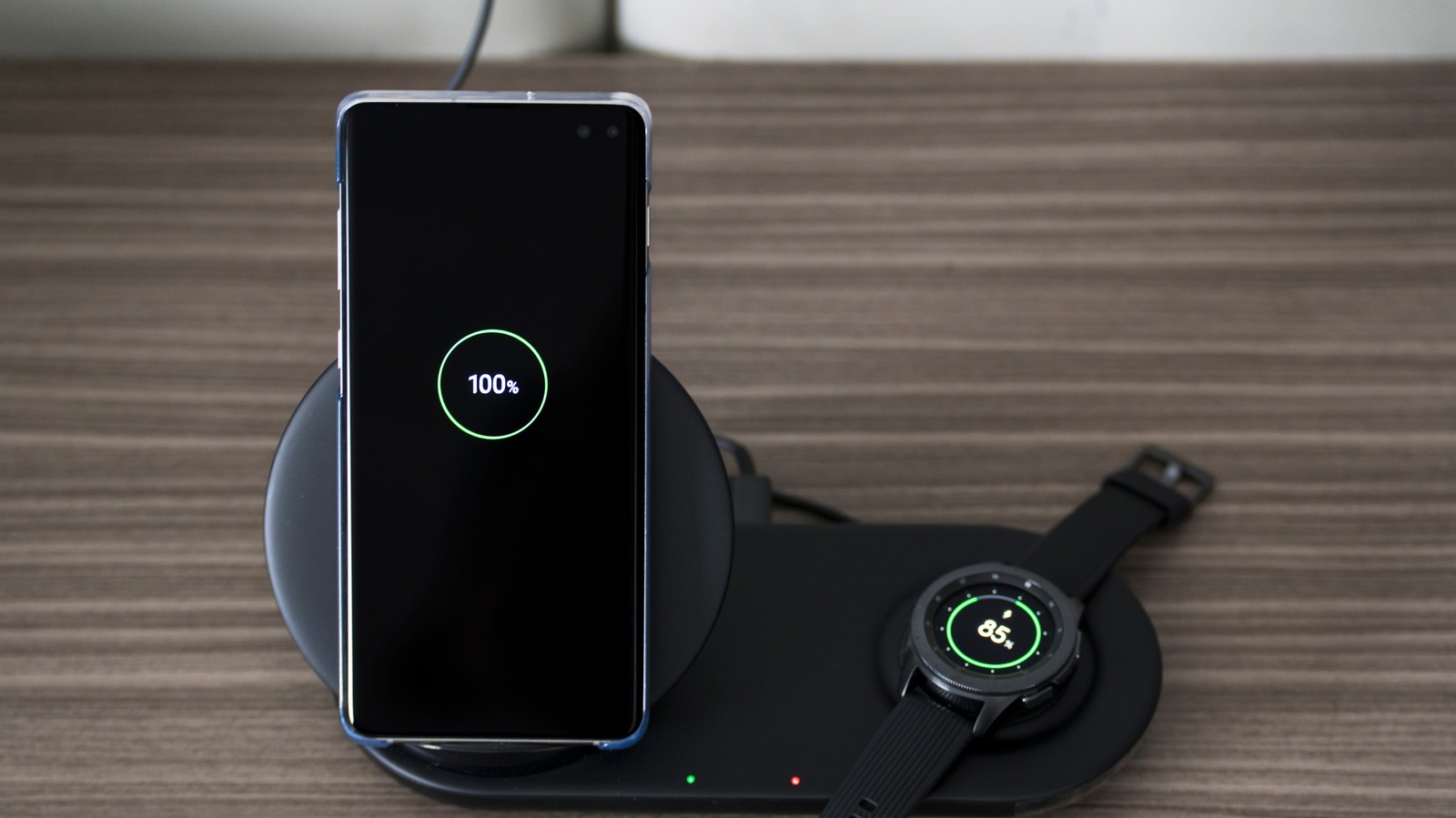
For everyday users, the shift toward magnetic puck chargers and standardized USB-C power delivery has streamlined the physical experience of fueling up. Samsung specifically recommends utilizing the original dock that comes packaged in the box rather than relying on third-party accessories. While aftermarket charging stands may look appealing on a nightstand, their electrical output can be inconsistent, leading to inefficient energy conversion and potential thermal throttling. Keeping the factory-supplied dock stationed in a high-traffic area of the home or office eliminates friction and encourages short, consistent bursts of charging rather than waiting for a complete zero-to-hundred depletion cycle.
Examining the physical architecture of the charging interface uncovers notable durability enhancements over older legacy models. The transition to a flat, magnetically aligned puck ensures that the watch snaps securely into position without requiring fiddling or precise manual placement. This magnetic alignment mechanism minimizes the risk of accidental slips that break electrical contact mid-charge, a common annoyance with older pins-based cradles that accumulated grime and corroded over years of exposure to skin oils and moisture. Furthermore, the inclusion of woven, braided cabling on recent charging accessories adds tangible resistance against fraying and kinking, ensuring that the peripheral withstands the rigors of travel and daily repositioning around living spaces.
Everyday Usability Trade-Offs & Adoption Barriers
Integrating a smartwatch charging habit into a packed schedule requires mapping out specific pockets of downtime where device removal causes minimal disruption. For office employees who spend hours seated at a desk, placing a secondary charging puck near the workspace allows for quick top-offs between meetings. Alternatively, many users leverage routine habits like showering or eating breakfast to dock their devices, ensuring they capture enough energy to sustain sleep tracking or afternoon workout sessions. As noted in discussions across online communities like Reddit.com/r/GalaxyWatch/comments/1esh46o/when-do-you-charge-your-watch/” target=”_blank” rel=”noopener”>Reddit, structuring these micro-charges around fixed daily milestones prevents the frustration of encountering a dead screen right before a run.
The core trade-off centers on balancing uninterrupted health monitoring against the physical necessity of removing the watch. If continuous sleep tracking and overnight heart rate analysis are top priorities, wearing the device 24/7 becomes impossible without carving out a deliberate 45-minute window during the daytime. Furthermore, heavy reliance on GPS tracking, always-on display modes, and cellular LTE connectivity accelerates battery depletion, forcing users to charge more frequently. For individuals who refuse to alter their daily habits or find scheduled charging cumbersome, simpler fitness bands or traditional timepieces may offer a more frictionless ownership experience over a two-year period.
Beyond simple scheduling hurdles, environmental factors in the home can heavily influence the charging experience. Leaving a smartwatch charging in direct sunlight on a south-facing windowsill, for instance, triggers safety mechanisms in the internal thermal sensors, pausing the flow of electricity to protect the chemistry from heat-induced degradation. Users often mistake this thermal pause for a hardware malfunction when it is actually an intentional safeguard. Cultivating an awareness of ambient room temperature, selecting well-ventilated charging spots away from heat vents or charging blocks prone to warmth, and removing heavy, insulated protective cases that trap heat during power delivery all contribute to a smoother, faster, and ultimately safer maintenance routine.
Category Alternatives and Rival Solutions
Shoppers weighing the Samsung Galaxy Watch 6 Classic against competing ecosystems will find distinct trade-offs in battery longevity and charging architecture. The Garmin Venu 3, retailing for $449.99 USD on Amazon, serves as a primary rival for fitness-focused buyers, offering up to 14 days of battery life on a single charge. While Garmin’s hardware drastically reduces the mental load of daily charging routines, it operates on a proprietary software ecosystem that lacks the deep third-party app integration and seamless smartphone notification management found on Samsung’s Wear OS platform.
On the other hand, the Google Pixel Watch 3, priced at $349.99 USD on Amazon, provides a comparable feature set within the Android ecosystem but relies on a smaller physical footprint and faster daily top-off cycles. Choosing between these alternatives comes down to personal priorities: buyers who demand multi-week endurance will gravitate toward sports watches like Garmin, while users who prefer robust smart features, fitness tracking, and rotating bezels will find Samsung’s ecosystem a more natural fit despite the requirement for more frequent, structured charging habits.
Expanding the competitive lens further reveals that ecosystem lock-in heavily dictates consumer satisfaction in this product category. Apple device owners remain insulated within watchOS, where battery realities mirror Android flagships, whereas cross-platform buyers must evaluate whether the tactile joy of Samsung’s physical rotating bezel outweighs the convenience of multi-day endurance offered by dedicated sports trackers like the Coros Pace 3 or Polar Vantage series. Each alternative makes distinct compromises: deep app intelligence and brilliant OLED visuals demand frequent energy replenishment, whereas minimalist monochrome screens and stripped-down notification engines yield extended intervals away from the power outlet. Recognizing these foundational engineering constraints allows prospective buyers to align their purchase decisions with their actual daily workflows rather than falling prey to idealized marketing claims.
Final Trajectory Verdict: Future Outlook & Buying Advice
Ultimately, managing a modern smartwatch requires balancing advanced tracking features with the physical reality of lithium-ion battery maintenance. By identifying specific pockets of downtime during daily routines—such as morning routines, desk work, or evening relaxation—owners can easily sustain full functionality without dealing with frustrating battery depletion mid-workout. Sticking to the manufacturer-supplied dock, keeping firmware updated, and maintaining clean charging terminals ensures that the hardware performs reliably over a standard multi-year ownership cycle.
For buyers who value deep health analytics, seamless notification handling, and premium rotating bezels, the Samsung Galaxy Watch 6 Classic remains a compelling purchase despite its charging demands. That’s the catch with high-end wearables: convenience on the wrist requires minor compromises in routine management. For a normal household, treating smartwatch power management as a scheduled daily habit rather than an afterthought transforms a potential annoyance into a seamless part of modern connected living.
Looking ahead, future hardware iterations will undoubtedly continue chasing higher energy densities and faster charging speeds, yet the fundamental requirement for mindful power stewardship will persist as long as consumers demand feature-dense wrist computers. By adopting the maintenance practices outlined in this guide—prioritizing OEM accessories, keeping contact surfaces immaculate, and structuring micro-charges around natural lifestyle breaks—owners can maximize the lifespan and reliability of their investment. Smart technology should enhance daily life rather than complicate it, and a well-planned charging strategy bridges the gap between cutting-edge biometric tracking and effortless, friction-free daily operation.