

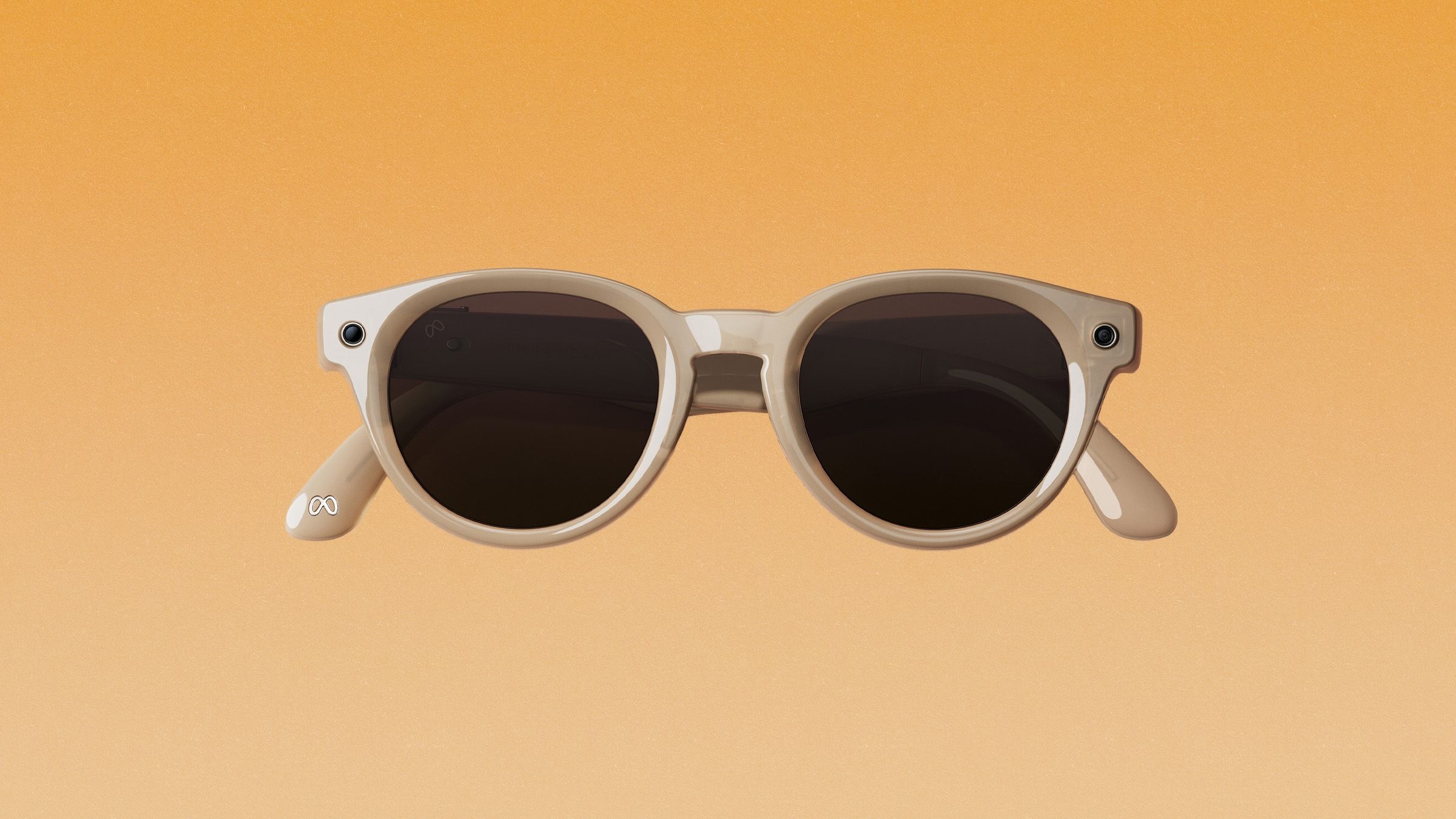
Core Disclosure & Hardware Announcement
The Meta Nova Gen 3 smart glasses are wearable spectacles designed to record 3K video, capture 12-MP photos, stream open-ear audio, and run a voice-activated AI assistant directly from a standard eyewear frame. This specific model retails for $299 USD direct from Meta, offering a more budget-friendly alternative to the co-branded Ray-Ban versions that start at $499 USD. It is built for outdoor enthusiasts, travelers, and daily commuters who want hands-free media capture and basic audio navigation without constantly pulling a smartphone out of their pocket. By stripping away the premium designer branding while retaining the core hardware capabilities, this iteration attempts to bring smart eyewear closer to mainstream consumer adoption.
🛒 Where to Buy: Meta Nova Gen
Editorial Note & Product Verification: The Cool Great Buys editorial desk independently verifies manufacturer technical specifications, cross-checks active retail availability across authorized sellers, and evaluates verified consumer reliability data before publishing product evaluations. All featured prices and promotions reflect active market rates at the time of publication.
- Meta Nova Gen: View on Amazon
Click the link above to check current pricing, availability, and customer reviews on Amazon.
For a normal household, spending three hundred dollars on a pair of glasses that contain delicate microelectronics requires a clear understanding of what you are actually getting. The Meta Nova frames feature a translucent brown aesthetic with rounded lenses, presenting a design that looks remarkably like standard prescription eyewear. This is a notable departure from earlier generations of smart glasses, which often looked bulky, awkward, and painfully obvious on the user’s face. The primary goal of this release is to offer a functional, everyday accessory that blends into social situations while providing on-demand recording and audio playback capabilities.
According to technical documentation published with this release, the Gen 3 lineup introduces minor iterative improvements over its predecessors rather than a ground-up redesign. The package includes the glasses, a protective charging case, and a USB-C charging cable. While the hardware is competent, the real-world value of these glasses depends heavily on whether you actually need a camera mounted on your face, or if you are simply paying a premium for a high-tech novelty that will end up sitting in a drawer once the initial excitement wears off.
Manufacturer Claims vs. Engineering Reality
When evaluating any new gadget, it is essential to translate the manufacturer’s marketing speak into plain English. Meta claims that the Gen 3 glasses deliver up to 9 hours of battery life on a single charge, which is a modest 1-hour increase over the previous generation. What caught my eye reading the full spec sheet is that the nine-hour battery life estimate is calculated under highly optimized, intermittent standby conditions, not continuous active use. In a real-world scenario, if you are actively recording 3K video, taking phone calls, or streaming music during a morning hike, that battery level will deplete far more rapidly. For a normal person planning a full day of travel, you will still need to rely heavily on the charging case to get through the afternoon.
Another major marketing point is the upgraded six-microphone array, which Meta promises will deliver crystal-clear voice calls even in noisy environments. Analyzing the physical constraints of such a small frame, placing six miniature microphones around the chassis is a genuine engineering challenge. However, real-world reports indicate that this system actually performs remarkably well. In one notable instance documented in the primary WIRED review, the microphones successfully filtered out a blaring apartment fire alarm during an active phone call, allowing the person on the other end to hear the wearer’s voice clearly without detecting the deafening siren in the background. This level of noise cancellation is impressive for such a compact form factor, proving that the microphone engineering lives up to the promotional hype.
Unfortunately, the same cannot be said for Meta’s integrated AI assistant. The marketing materials paint a picture of a seamless, highly intelligent companion that can answer complex questions and analyze your surroundings in real time. In reality, the AI remains highly limited and frequently frustrating to use. Technical evaluations show that the assistant struggles with basic contextual queries, sometimes failing to identify the features of the very glasses the user is wearing, even when presented with a direct photo of the product’s retail page. While Meta promises future software updates, including integration with their upcoming Muse AI, the current out-of-the-box AI experience is simply not reliable enough to justify a purchase decision based on smart assistant capabilities alone.
Under the Hood: Technical Architecture and Build Quality
Looking closely at the physical construction of the Meta Nova, the engineering team has made some clever adjustments to the chassis. The camera housing on the front of the frames is visibly smaller than on the Gen 2 models. From a distance of just a few feet, the dual camera lenses can easily be mistaken for standard metal rivets. While this makes the glasses look much more natural and stylish, it also amplifies the ongoing social controversy surrounding wearable cameras. The fact that bystanders may not realize they are being recorded has made these devices prime targets of criticism regarding their potential use by creeps and abusers in public spaces. To address this, Meta has implemented a more tamper-proof front-facing LED indicator light that shines when recording, though this minor safeguard does little to ease the social friction of wearing them in crowded areas.
The core imaging hardware consists of a 12-MP sensor capable of capturing 3K video, which is identical to the camera specifications found in the previous generation. The video quality is perfectly adequate for quick social media clips or capturing hands-free memories while walking the dog, but it will not replace a dedicated action camera or a modern smartphone. The frame itself is constructed from lightweight, translucent plastic. While this material keeps the weight down to a comfortable level for all-day wear, it raises serious questions about long-term durability. For a family household, a fragile build is always a concern. If these glasses are accidentally stepped on by a child or tossed into a packed travel bag without their protective case, the delicate internal wiring running through the hinges could easily be damaged, rendering the smart features useless.
Then there is my personal pet peeve: the proprietary charging system. The Meta Nova glasses charge via a custom-designed hard case. While the case itself is sleek and functional, it represents a significant hidden cost. If you lose or break this proprietary charging case while traveling, you cannot simply plug a standard USB-C cable directly into the glasses. You will be forced to purchase an expensive proprietary replacement case directly from Meta to keep using your glasses. When calculating what this product actually costs you over two years of ownership, the risk of losing or damaging the proprietary charger must be factored into your budget.
Verified Market Alternatives
If you are skeptical about the camera features or the high price tag of the Meta Nova, there are several established alternatives in the smart eyewear category that might make more sense for a normal household. The first major competitor is the Bose Frames Tempo These glasses are designed specifically for outdoor sports and high-quality audio playback. Instead of trying to be a camera and an AI assistant, Bose focuses entirely on what they do best: sound. They feature rugged, sweat-resistant construction, polarized lenses, and open-ear speakers that deliver surprisingly rich audio while allowing you to remain aware of your surroundings. For runners, cyclists, or hikers who want to listen to music or take calls without blocking their ears, the Bose Frames Tempo offers a highly durable, camera-free alternative that completely avoids any privacy controversies.
Another compelling option is the Amazon Echo Frames 3rd Gen— $269.99 USD on Amazon. These smart glasses focus heavily on voice assistant integration and daily productivity. They do not feature a camera, which makes them much lighter and far more socially acceptable to wear in office environments or on dates. The Echo Frames allow you to interact with Alexa, listen to podcasts, and control smart home devices using simple voice commands. They also support prescription lens installation, making them a practical choice for anyone who already wears glasses daily. If your primary goal is hands-free audio and smart assistant access without the added cost and social baggage of a built-in camera, the Echo Frames represent a much more practical, everyday solution for a normal household.
When comparing these options, the choice comes down to your specific use case. The Meta Nova is the clear winner if you absolutely insist on capturing first-person video while traveling or doing outdoor activities. However, if you are primarily interested in audio streaming, hands-free phone calls, and basic voice assistance, both the Bose and Amazon alternatives offer excellent build quality, reliable software, and a lower overall social barrier to entry without the privacy concerns associated with face-mounted cameras.
Final Editorial Verdict: Long-Term Reliability Outlook
The Meta Nova Gen 3 smart glasses represent a polished, well-engineered piece of hardware that successfully crams a camera, speakers, and microphones into a lightweight, attractive frame. However, for a normal, budget-conscious household, they are incredibly difficult to recommend as a practical purchase. The $299 USD retail price is a significant investment for a device that offers only minor, iterative upgrades over the previous generation. If you already own a pair of Gen 2 Meta’s smart glasses, there is absolutely no functional reason to upgrade to the Gen 3 model, as the slight increase in battery life and the minor design tweaks do not justify the cost of replacement.
Ultimately, the Meta Nova falls into the category of a high-tech toy rather than an essential tool. The fragile plastic build, the reliance on an expensive proprietary charging case, and the currently underwhelming performance of the built-in AI assistant make it a risky long-term investment.