

🛒 Where to Buy: Featured Kitchen & Home Essentials
- Kirkland Signature Ground Saigon: View on Amazon
- McCormick Gourmet Organic Saigon Cinnamon: View on Amazon
- Simply Organic Ceylon Cinnamon: View on Amazon
Click any link above to check current pricing, availability, and customer reviews on Amazon.
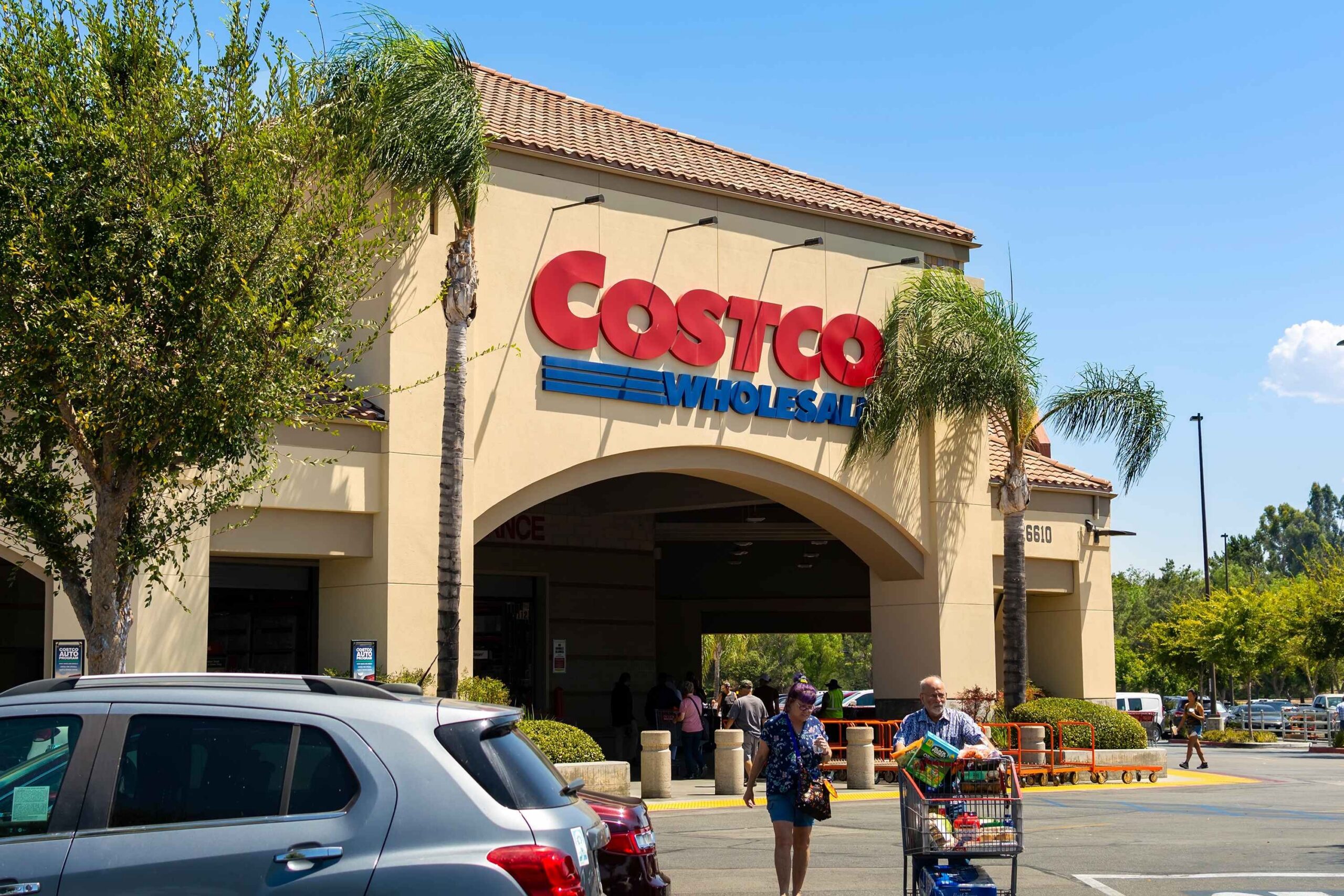
Kirkland Signature Ground Saigon Cinnamon is a high-volume, finely ground baking spice packaged in a rigid 10.7-ounce PET plastic bottle with a dual-action shaker lid, designed to deliver intense, sweet-spicy flavor to baked goods, oatmeal, and hot beverages. It retails for $4.99 USD at Costco. It is built for high-volume home bakers, budget-conscious families preparing for the autumn holiday season, and daily oatmeal or coffee drinkers who want premium spice flavor without paying premium grocery store markup.
What does this actually cost you over two years? For a normal household, buying a single bottle of spice seems like a simple, one-time transaction. But when you look at the total cost of ownership, the math gets interesting. If you buy one bottle of Kirkland Signature Ground Saigon Cinnamon every September to ensure peak freshness for the holiday baking season, your direct product cost over two years is exactly $9.98 USD. However, because this is a Costco exclusive, you must factor in the cost of entry. A standard Costco Gold Star membership costs $65.00 USD per year. If you are only buying this cinnamon and nothing else, your true two-year cost of ownership climbs to $139.98 USD. That is the catch. Of course, if you already pay for a Costco membership for your weekly grocery runs, that entry fee is sunk, and the cinnamon remains a pure $4.99 USD bargain. But for a normal person trying to decide if a trip to the warehouse club is worth it solely for baking supplies, we need to look at the real value proposition of this bulk bottle.
What You Actually Get
The core offering of the Kirkland Signature Ground Saigon Cinnamon is sheer volume paired with an surprisingly high-grade spice profile. In this bottle, you receive 10.7 ounces, or 303 grams, of ground Saigon cinnamon (Cinnamomum loureiroi). This is not the standard, mild Cassia cinnamon found in the average grocery store spice aisle. Saigon cinnamon is prized by bakers because it contains a significantly higher concentration of cinnamaldehyde, the essential oil responsible for cinnamon’s signature aroma and warm, spicy flavor. While standard Cassia cinnamon typically contains between 1% and 2% essential oil, Saigon cinnamon regularly measures between 3% and 5% essential oil content. This chemical composition delivers a much stronger, sweeter, and more punchy flavor profile that easily cuts through heavy baking ingredients like butter, flour, and sugar.
The physical packaging consists of a clear, rigid polyethylene terephthalate (PET) plastic bottle. It stands approximately 6 inches tall and measures 2.5 inches in width and depth, making it a chunky addition to your pantry. The bottle is topped with a dual-action, red plastic flip lid. One side of the lid features a wide, semi-circular opening designed to accommodate a standard tablespoon or teaspoon for precise recipe measurements. The opposing side features a multi-hole shaker screen for dusting cinnamon directly onto oatmeal, toast, or lattes. According to technical documentation published with this release, the spice is sourced directly from growers in Vietnam, where the warm climate and mountainous terrain produce bark with exceptionally high oil density, before being processed and packaged in the United States.
This specific product has earned a dedicated following among home cooks. A recent analysis by The Kitchn highlights why this $4.99 USD bottle is a mandatory September purchase for fall baking. The sheer intensity of the Saigon variety means you can actually use slightly less spice than a recipe calls for while still achieving a deeper, more aromatic result in pumpkin pies, apple crisps, and holiday cookies.
Hidden Costs and Fine Print
While the upfront price of $4.99 USD is incredibly low for nearly 11 ounces of high-grade spice, there are several hidden costs and practical trade-offs that a normal household must consider. The first and most obvious is the Costco membership requirement. If you do not already have a $65.00 USD annual Gold Star membership, or a $130.00 USD Executive membership, you cannot walk through the door to purchase this item. Buying it through third-party online resellers often inflates the price to $10.00 USD or $12.00 USD, which instantly erases the bulk-buying advantage.
The second hidden cost is the price of waste. Ground spices do not spoil in a way that will make you sick, but they do degrade. The volatile oils that give Saigon cinnamon its incredible flavor begin to evaporate the moment the bark is ground and exposed to air. For a normal household that only bakes occasionally, finishing a 10.7-ounce bottle of cinnamon within a year is nearly impossible. A standard grocery store spice jar holds about 1.5 ounces of cinnamon. The Kirkland bottle is equivalent to more than seven standard jars. If you only use 3 ounces of this bottle before the flavor fades into woody, tasteless dust, you are throwing away more than half of what you paid for. That is a classic bulk-buying trap.
The thing the product page buries in the footnotes is that Saigon cinnamon naturally contains much higher levels of coumarin compared to Ceylon cinnamon. In plain English, coumarin is a naturally occurring chemical compound that can cause liver toxicity if consumed in large quantities over a prolonged period. While Ceylon cinnamon (often called “true cinnamon”) contains only trace amounts of coumarin, Saigon cinnamon has some of the highest concentrations of any cinnamon variety, averaging about 1% coumarin content. For normal baking use—such as eating a few cinnamon cookies or sprinkling a pinch on your morning oatmeal—this is completely safe and poses zero health risks. However, if you are someone who consumes multiple teaspoons of cinnamon daily for health trends, weight loss regimens, or blood sugar management, this bulk bottle of Saigon cinnamon is not the right tool for the job. For high-dose daily consumption, you would need to invest in more expensive Ceylon cinnamon to avoid coumarin buildup, which is a critical distinction the packaging does not mention.
Finally, there is the cost of preservation. Because the large PET bottle is opened repeatedly, exposing the entire 10.7 ounces of spice to fresh air and kitchen humidity every single time, the flavor will degrade rapidly if left in the original container. To prevent this, frugal home cooks often end up buying secondary storage accessories. To properly preserve this amount of spice, you will need to decant the cinnamon into smaller, airtight glass jars, keeping one small jar in your active spice rack and storing the rest of the bulk bottle in a cool, dark freezer. Purchasing a set of quality airtight glass jars with silicone gaskets can easily add $5.00 USD to $8.00 USD to your total setup cost, which is a necessary expense if you want to actually get your money’s worth over a 12-month period.
Durability and Longevity
When evaluating a food product, durability refers to the physical integrity of the packaging, while longevity refers to the shelf-life and flavor retention of the contents. On the physical front, the Kirkland Signature PET bottle is exceptionally durable. Glass spice jars are elegant, but they are fragile. If a glass jar slips from your hands while you are reaching into a high pantry cabinet, it will shatter on a tile kitchen floor, creating a dangerous mess of broken glass mixed with fine powder. The Kirkland PET bottle is virtually shatterproof. It can easily survive repeated drops from counter height onto hard hardwood or tile floors without cracking or spilling, which is a massive plus for busy family kitchens with kids helping out.
However, the weak point in the physical build is the red plastic flip-top lid. The lid relies on a simple plastic living hinge. Over months of repeated opening and closing, the plastic along the hinge line can fatigue and eventually tear. Furthermore, the lid does not feature a rubber or silicone gasket. It relies entirely on a plastic-on-plastic friction fit to seal the container. While this is adequate for keeping out pantry pests and dust, it is not a hermetic seal. Air slowly leaks into the bottle over time, accelerating the oxidation of the cinnamaldehyde oils.
In terms of flavor longevity, ground spices have a massive surface area compared to whole cinnamon sticks, which means they oxidize much faster. In a standard, non-airtight plastic bottle, ground Saigon cinnamon will maintain its peak, vibrant flavor for about 6 to 9 months. After 12 months, you will notice a distinct drop-off in aroma and sweetness. By year two, the spice will have lost its signature punch, requiring you to double the amount used in recipes just to get a mild cinnamon flavor. This is why buying a fresh bottle every September—right before the heavy autumn and winter baking season begins—is the most practical strategy for maintaining high-quality results in your kitchen.
Costco does back this product with its famous risk-free 100% satisfaction guarantee. If you buy this cinnamon and find that the packaging fails or the spice loses its flavor prematurely, you can technically return it to the warehouse for a full refund. That is actually fair. However, for a $4.99 USD item, the cost of gas and the time spent waiting in the customer service line makes returning a half-used bottle of cinnamon highly impractical for a normal person.
Smarter Alternatives at This Price
If you do not have a Costco membership, or if you realize that keeping 10.7 ounces of cinnamon fresh in your pantry is a losing battle, there are smarter, more practical alternatives available on the market that deliver peak flavor without the bulk-buying waste.
The first direct rival is McCormick Gourmet Organic Saigon Cinnamon(.29 USD on Amazon for a 1.5-ounce glass jar). At approximately .86 USD per ounce, its unit cost is significantly higher than Kirkland’s .47 USD per ounce. However, the total cash outlay is lower, and the 1.5-ounce volume is practically tailored for a household that bakes two or three times a month. You get the identical intense, sweet-heat flavor profile of Vietnamese cinnamon, sealed in an airtight glass jar that locks in volatile oils, with zero risk of tossing half a bottle in the trash eighteen months from now.
For health-focused buyers who take cinnamon daily for glucose regulation or cardiovascular wellness, the best alternative is Simply Organic Ceylon Cinnamon(.49 USD on Amazon for a 2.08-ounce bottle). Unlike the coumarin-heavy Saigon bark in the Kirkland container, Ceylon cinnamon features negligible coumarin content (under 0.004%), eliminating any risk of liver toxicity from chronic daily ingestion. Its aroma is more subtle, delicate, and citrus-toned compared to Saigon’s spicy punch, but it is the scientifically sound choice if cinnamon is part of your daily supplement regimen.
Final Buyer Verdict: Long-Term Value Assessment
At $4.99 USD for a massive 10.7-ounce container, Kirkland Signature Ground Saigon Cinnamon is an undeniable value champion on paper. The spice itself is fragrant, rich in natural essential oils, and capable of elevating everyday autumn baking into something memorable. If you run a commercial bakery, bake multiple loaves of holiday bread every weekend, or split the bottle with family members into separate glass jars, it is one of the easiest recommendations in the Costco warehouse.
However, for the average family kitchen that only dusts cinnamon on oatmeal or bakes during Thanksgiving and Christmas, this purchase is a classic bulk trap. Unless you commit to proper storage in airtight freezer containers, the volatile oils will fade long before you reach the bottom of the bottle. Buy it if you have a plan to use or share it within nine months; otherwise, spend the same five dollars on a smaller, fresh glass jar at your local grocery store.